If mornings feel rushed before you even leave the bedroom, your closet is likely part of the problem. When clothes, accessories, and shoes compete for space without structure, decision fatigue sets in fast—usually before coffee has a chance to help.
The good news is that efficient closets aren’t about having fewer clothes; they’re about clear systems that reduce thinking and searching. This article looks at smart categorization and zoning strategies that transform your closet into a functional tool—one that supports faster decisions, smoother routines, and calmer mornings.
Smart Categorization Systems
Dividing your closet into clearly defined functional zones is one of the most effective ways to reduce morning friction. Organization experts recommend creating five core zones to eliminate visual clutter and shorten search time.
Start by grouping clothing by purpose—workwear, casual, activewear, outerwear, and accessories. Use simple, readable labels to mark each section. Color-coded labels work especially well because your brain processes color faster than text, making decision-making almost automatic.
Assign each zone a consistent color—blue for work, green for gym, neutrals for everyday basics. Add shelf dividers and clear bins for foldable items so everything stays visible. A quick weekly reset keeps the system intact and ensures your closet continues working for you, not against you.
Outfit-Based Zoning
Outfit-based zoning takes categorization one step further by grouping complete looks rather than individual items. The goal is simple: eliminate outfit assembly during busy mornings.
Create seven grab-and-go outfit zones:
- Workday essentials
- Weekend casual
- Gym and activewear
- Date night or social looks
- Cold-weather layers
- Everyday basics (capsule section)
- Seasonal overflow
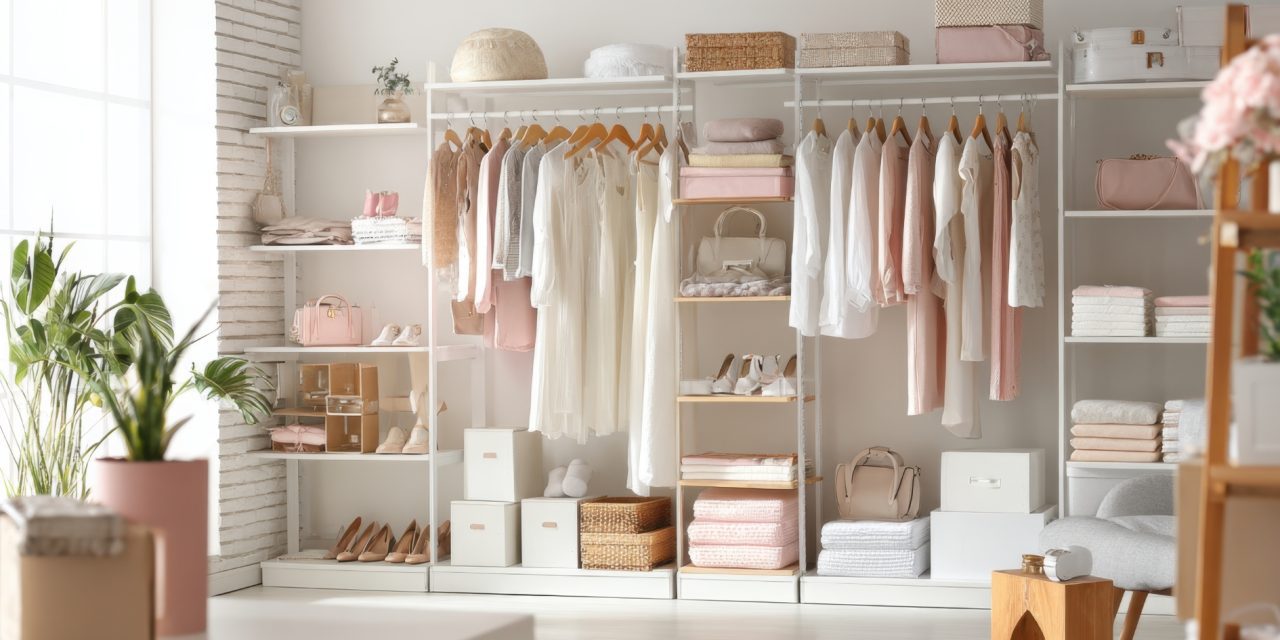
Hang work outfits together—blazers paired with trousers, skirts with blouses. Store casual looks in fabric bins, activewear in clear containers, and special-occasion outfits in hanging organizers. Place high-use zones closest to the door and less frequent categories farther away.
One real-world example: Sarah reduced her morning prep from 12 minutes to under 2 by organizing her closet left-to-right by daily priority. When outfits are pre-built, mornings stop feeling like decisions and start feeling like routines.
Vertical Space Maximizers
Most closets fail vertically, not horizontally. Slim hangers and double-rod systems unlock unused height and dramatically increase capacity.
Replacing bulky hangers with slim, non-slip options instantly creates breathing room. Adding a second hanging rod effectively doubles storage without requiring a full closet overhaul. Shirts, pants, and dresses stay visible, accessible, and wrinkle-free.
Vertical organization works best when paired with cascading hooks for accessories and belts. The result is a closet that feels open, navigable, and intentionally designed for speed.
Slim Hangers and Hooks
Switching to slim hangers is one of the fastest, lowest-effort upgrades you can make. Velvet-coated options prevent slipping while maximizing rod space.
| Hanger Type | Price | Key Features |
| Joy Mangano Huggable | $1.50 each | velvet grip, high capacity |
| Amazon Basics Slim | $20/100 | best value, sturdy metal |
| Cascade tiered pants | $25/10 | cascading design, space saver |
| Command over-door hooks | $12/6 | removable, no damage |
| Sorbus cascading sweater bags | $30/6 | fabric storage, foldable |
Adding a second rod with simple brackets can take a closet from holding 50 shirts to over 100. Group items by color or category to reinforce visual order and speed up outfit selection.
Drawer Dividers and Trays
Drawers are where good systems either shine—or completely fall apart. Adjustable dividers prevent small items from blending into chaos and eliminate time-wasting searches.
Use dividers to separate socks, undergarments, and basics into clear sections. Pair them with shallow trays for jewelry, watches, or daily accessories. These micro-zones turn drawers into efficient dressing stations instead of clutter traps.
For maximum impact, start with undergarment drawers. Label sections if needed, and keep layouts consistent. When drawers stay organized, mornings move faster almost automatically.
Custom Solutions for Accessories
Accessories need structure just as much as clothing. Custom trays and vertical organizers keep small items visible and protected.
Acrylic drawer trays with ring inserts neatly store jewelry without tangling. Hanging belt racks organize up to two dozen belts on a single rod. Tiered stands stack watches and scarves vertically, saving valuable drawer space.
For sunglasses, compact pop-up cases store multiple pairs without scratches. DIY options—like cutting acrylic sheets to fit drawers—allow for precise customization at minimal cost. Well-organized accessories support the overall zone system and reinforce effortless mornings.
Conclusion
An organized closet isn’t about perfection—it’s about functionality. When zones, vertical space, and accessories work together, mornings become faster, calmer, and more predictable. Smart systems reduce decision fatigue and turn your closet into a tool that supports your day from the very first step.
Which part of your closet slows you down the most every morning? You’re In Style highlights practical organization systems that turn everyday spaces into routines that actually work.