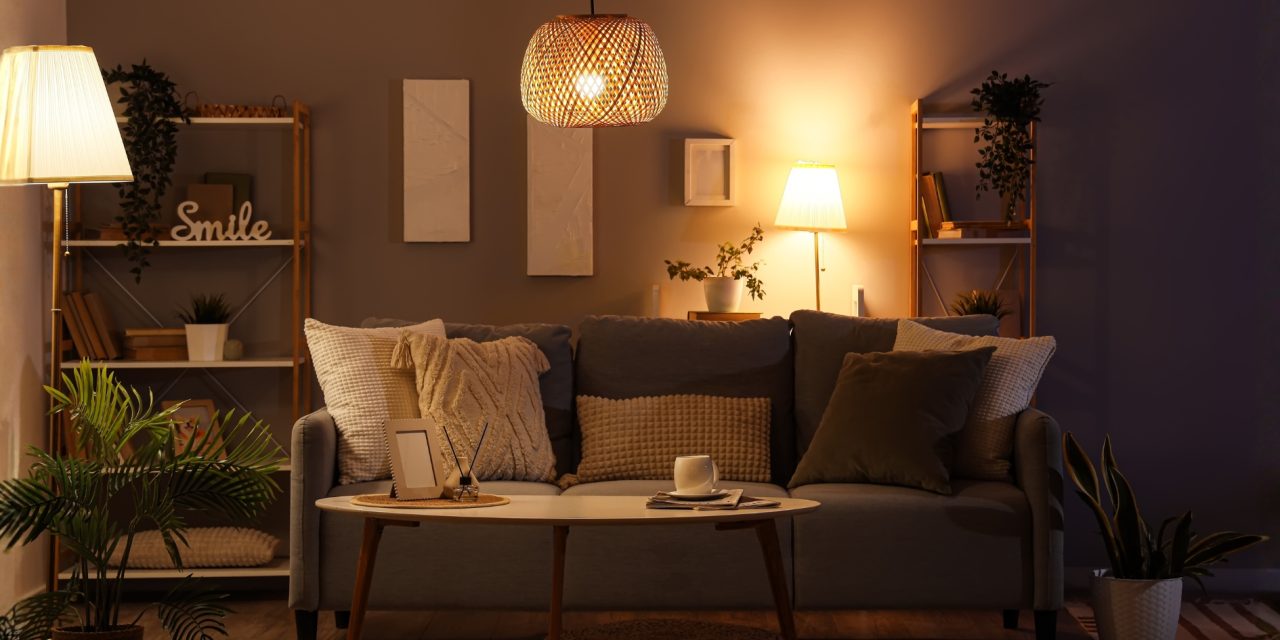
You ever walk into a room and something just feels… off? Not messy, not ugly—just flat. Like no matter how much you tidy or rearrange, it never quite hits that “put-together” feeling you see in styled spaces.
Most of the time, it is not your furniture or decor holding you back—it is your lighting. The wrong lighting can shrink a room, dull your colors, and make even great design choices fall short. But the right setup? It adds depth, warmth, and that subtle “this space just works” energy—without forcing you to buy a whole new room.
Why Layered Lighting Changes Everything
Most rooms rely on a single overhead light—and that is usually where things go wrong. One harsh source flattens the space and creates shadows that make everything feel smaller and less intentional.
Layered lighting fixes that by adding depth. When you combine different light sources—something taller, something mid-level, and something subtle—you start to build an atmosphere instead of just visibility.
A floor lamp in the corner can stretch the room vertically. A table lamp softens eye-level lighting, making the space feel more relaxed. Then a small accent light—like an LED strip or wall sconce—adds that quiet glow that makes everything feel styled rather than staged.
Suddenly, the room does not just look brighter—it feels complete.
Simple Combos That Always Work
You do not need complicated setups to get this right. In most spaces, three light sources are enough to create balance.
A floor lamp anchors the room and gives height. A table lamp brings warmth closer to where you actually live—next to a sofa, bed, or desk. Then an accent light fills in the gaps, softening edges and adding dimension.
Where you shop matters less than how you combine. Affordable options from Target or IKEA work beautifully when paired thoughtfully. Mixing materials—like a metal base with a fabric shade—also helps everything feel more intentional.
The goal is not brightness alone. It is balance.
Getting the Tone Right (Without Overthinking It)
Light color makes a bigger difference than most people expect.
Warmer tones—around 2700K—create that cozy, relaxed feel that works in living rooms and bedrooms. Cooler tones can feel sharper, but they often lack that inviting quality you want in a home.
Brightness matters too, but it is not about going as bright as possible. It is about layering enough light so the room feels evenly lit without harsh spots or dark corners.
If you can adjust intensity with a dimmer, even better. It lets your space shift with your mood—bright and functional during the day, softer and calmer in the evening.
Small Changes, Big Impact
The beauty of lighting is how quickly it works. You can walk into a room, add one or two pieces, and feel the difference immediately.
A tired corner becomes a reading nook. A plain wall gains depth. Even your everyday routines—watching a show, getting ready for bed—start to feel a little more considered.
And that is really what great lighting does. It does not just make your space look better—it makes it feel better to live in.
Wrap Up
You do not need a full makeover to change how your home feels. Sometimes, all it takes is better light in the right places.
When your lighting works, everything else follows. Your decor feels more intentional, your space feels more open, and your home starts to reflect the kind of atmosphere you actually want to live in.
What is one spot in your home that could completely change with better lighting?
Let us know in the comments, and keep creating a home that feels as good as it looks only at You’re In Style!