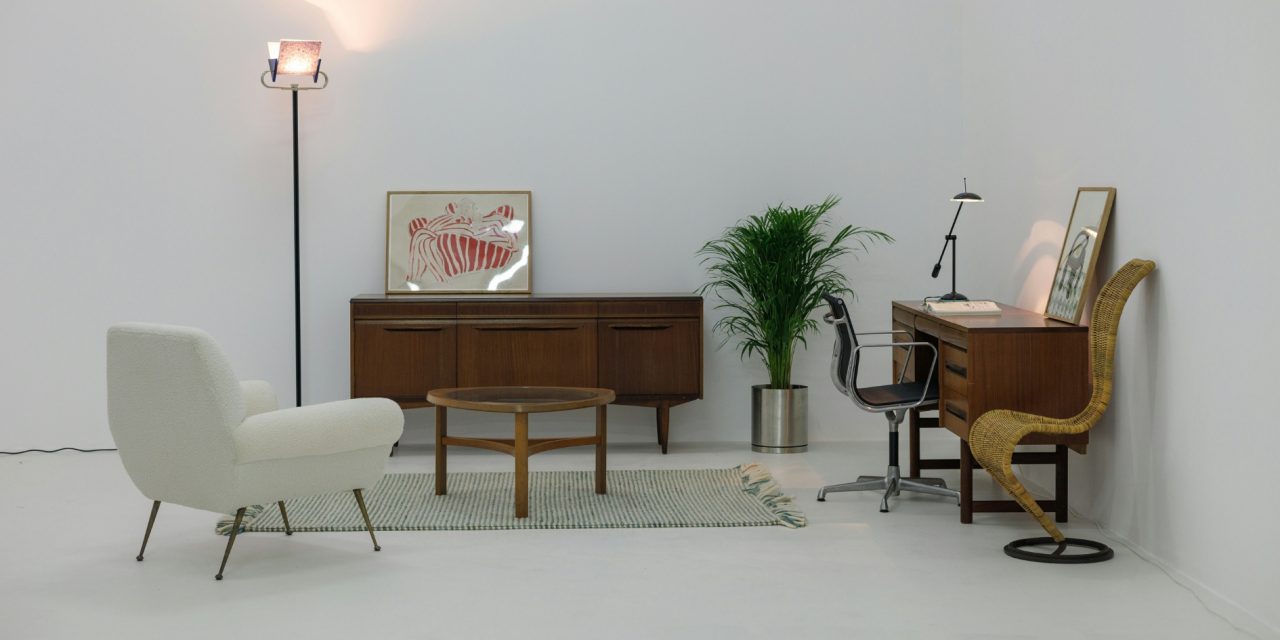
There’s a quiet kind of creativity that doesn’t start in a showroom. It starts with something slightly scratched, slightly outdated, and almost dismissed. Repurposing furniture lives in that space. It’s less about buying something new and more about seeing potential where others see “past its prime.”
What makes it powerful is not just the cost-saving angle (though your wallet will absolutely notice), but the control it gives you. You’re not following trends—you’re shaping them, piece by piece, with items that already carry history. And when done right, repurposing doesn’t feel like a compromise. It feels intentional, distinctive, and surprisingly refined.
Creative Uses for Old Furniture
The best repurposing ideas don’t try too hard. Rather, they make practical sense first, then bring style along with it.
An old dresser, for example, can shift from storage to statement. Remove a few drawers, reinforce the structure, and add a top surface—it becomes a clean, grounded TV stand with built-in character.
A vintage trunk works just as well when reimagined. With light sanding and a simple finish, it transforms into a coffee table that adds texture and history to the room instead of blending into it.
Bookshelves are even more flexible. With a coat of paint and a set of wheels, they can easily convert into a mobile bar cart or display unit—something functional, but with far more personality than a standard piece.
To get started, keep your toolkit simple:
- Screwdriver for disassembly and adjustments
- Measuring tape for proportion and balance
- Paintbrushes for finishing touches
The key is to work with the structure you already have, not against it.
Rearranging for a Fresh Perspective
Sometimes the shift isn’t in what the furniture is, but where it lives.
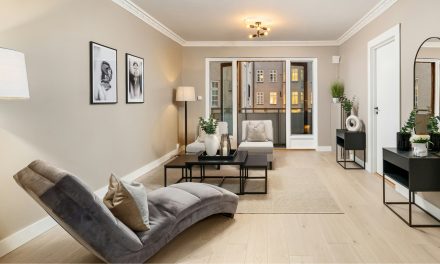
Rearranging a room can change how it feels almost instantly—but only if it’s done with intention. Start by understanding your space: measure it, note entry points, and make sure movement feels natural. A good rule is to leave at least two feet of walking space between larger pieces.
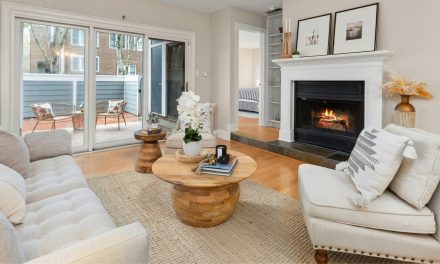
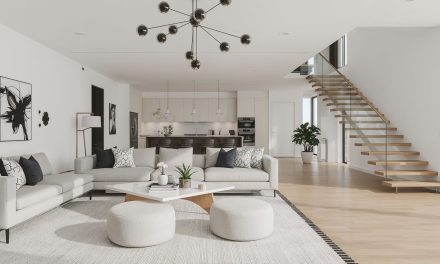
From there, think in zones rather than objects. A sofa can define a conversation area. A chair and side table can create a quiet corner without needing anything extra.
Small shifts—like moving a bookshelf across the room or angling a chair differently—can reset the entire flow. The goal isn’t constant change, it’s better alignment between your furniture and how you actually use the space.
Why This Approach Works
Repurposing and rearranging work because they challenge default thinking. Instead of asking “what do I need to buy,” you start asking “what can this become?”
That shift naturally leads to spaces that feel more personal, less predictable, and far more considered.
Conclusion
Repurposing furniture changes how you see your space. Instead of replacing pieces at the first sign of wear, you begin to refine, adjust, and reimagine what you already own. That shift creates a home that feels more intentional, where each item serves a purpose beyond just filling space.
Over time, these small upgrades build a space that feels personal and thoughtfully put together. You’re not just decorating—you’re shaping an environment that reflects your creativity, your habits, and your eye for potential.
What’s one piece of furniture you’ve outgrown—but never thought to rethink? Let us know in the comments—and keep creating smarter, more intentional spaces only at You’re In Style!