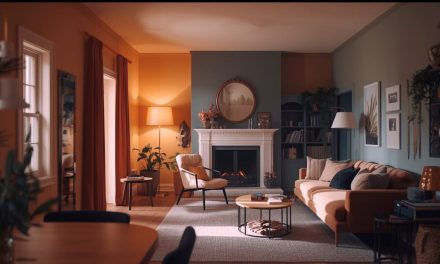
Ever walked into a neutral-decorated room that looked flawless but felt oddly unwelcoming—like a space staged for photos, not real life? You’re not imagining it. Crisp whites, soft grays, and minimalist styling can easily cross the line from calming to clinical when warmth is left out of the equation.
The challenge isn’t neutral decor itself, it’s how neutrals are often executed. When texture, lighting, and variation are stripped away in pursuit of “clean,” rooms lose emotional depth. This article looks at why neutral spaces can feel cold and how intentional design choices restore warmth, personality, and comfort without abandoning a modern aesthetic.
Why Neutral Decor Feels Cold (And How to Fix It)
Neutral interiors dominate design magazines for a reason—they photograph beautifully. But in real homes, all-white walls, pale furniture, and minimal accents can feel sterile. Research even suggests overly monochromatic environments may heighten feelings of isolation rather than comfort.
The issue isn’t color; it’s imbalance. Flat lighting, uniform tones, and hard surfaces remove the cues our brains associate with warmth. The fixes are simple but strategic—layering light, introducing texture, and breaking visual sameness without clutter.
Flat Lighting and Texture Gaps
Overhead lighting alone is one of the fastest ways to drain warmth from a neutral room. Glossy floors, quartz counters, and matte fixtures reflect light harshly, flattening the space and erasing texture.
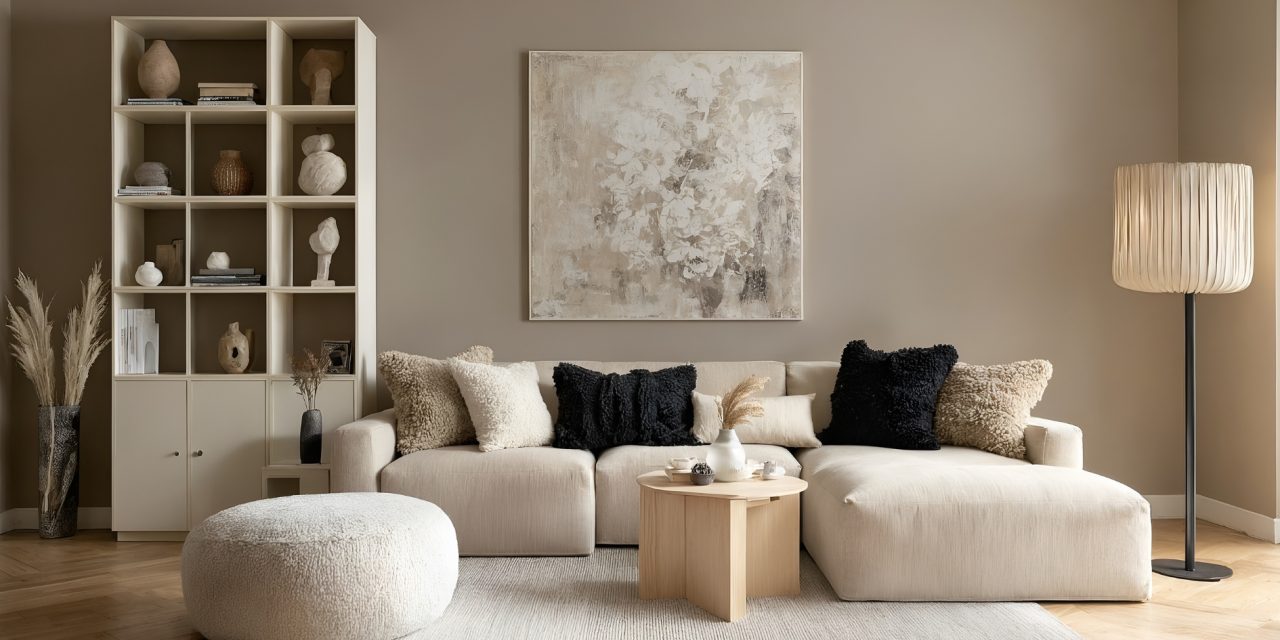
Layered lighting changes everything. Floor lamps, table lamps, and warm bulbs create shadow and depth, allowing materials like linen, bouclé, and jute to actually register visually. Add natural elements—wood accents, woven baskets, or ceramic pieces—and the room immediately feels softer and more lived-in.
Uniform Color Lacks Depth
Using a single neutral shade across walls, trim, and furnishings may feel cohesive, but it often results in visual fatigue. Endless whites or cool grays strip a room of dimension and emotional pull.
Depth comes from variation. Mixing warm neutrals—cream upholstery, taupe walls, oak finishes—adds richness without overwhelming the palette. Subtle shifts in tone and pattern create interest while preserving a clean, modern look. Neutral doesn’t mean flat; it means layered.
Minimal Accessories Overload Space
Minimalism often removes too much. Large empty surfaces, bare walls, and sparse furniture can make rooms feel unfinished rather than intentional.
Thoughtfully curated accessories solve this. Small collections—books, ceramics, plants—anchor the space visually. Vignette styling on consoles or shelves introduces balance, while asymmetry keeps things relaxed instead of staged. The goal isn’t more décor, just better placement.
Hard Surfaces Amplify Cold Echo
Stone, tile, and sleek finishes are staples of modern neutral interiors, but they also reflect sound and amplify emptiness. Echo instantly makes a room feel colder, no matter how beautiful it looks.
Soft materials counteract this effect. Rugs, curtains, pillows, and throws absorb sound while adding tactile comfort. Performance fabrics on sofas, plush area rugs, and layered textiles quietly restore warmth and make the space feel restorative instead of rigid.
Conclusion
Neutral decor only feels cold when warmth is left out of the design equation. By adjusting lighting, varying tones, softening textures, and styling with intention, neutral spaces regain personality without losing their modern edge. Small, thoughtful changes transform rooms from visually perfect to genuinely inviting.
Which neutral room in your home feels finished but still emotionally flat? You’re In Style explores smart design upgrades that turn modern neutrals into warm, lived-in spaces with lasting appeal.