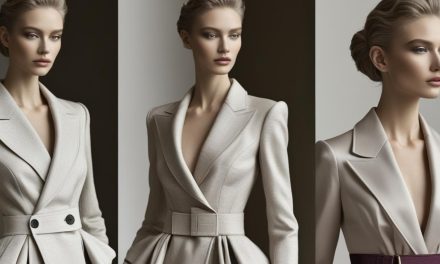
Luxury fashion has always carried a certain mystique. The craftsmanship, the heritage, the unmistakable silhouettes—yet the price tags often feel like a private joke you weren’t invited to laugh at. Still, the desire for polished, high-end style hasn’t disappeared. It has simply adapted.
That adaptation comes in the form of designer dupes. These pieces don’t promise couture fantasies or lifetime heirlooms. Instead, they offer something far more practical: the ability to look refined, current, and confident without surrendering an entire paycheck. And yes, they do it legally, intentionally, and with far more sophistication than the word “dupe” might suggest.
What Are Designer Dupes?
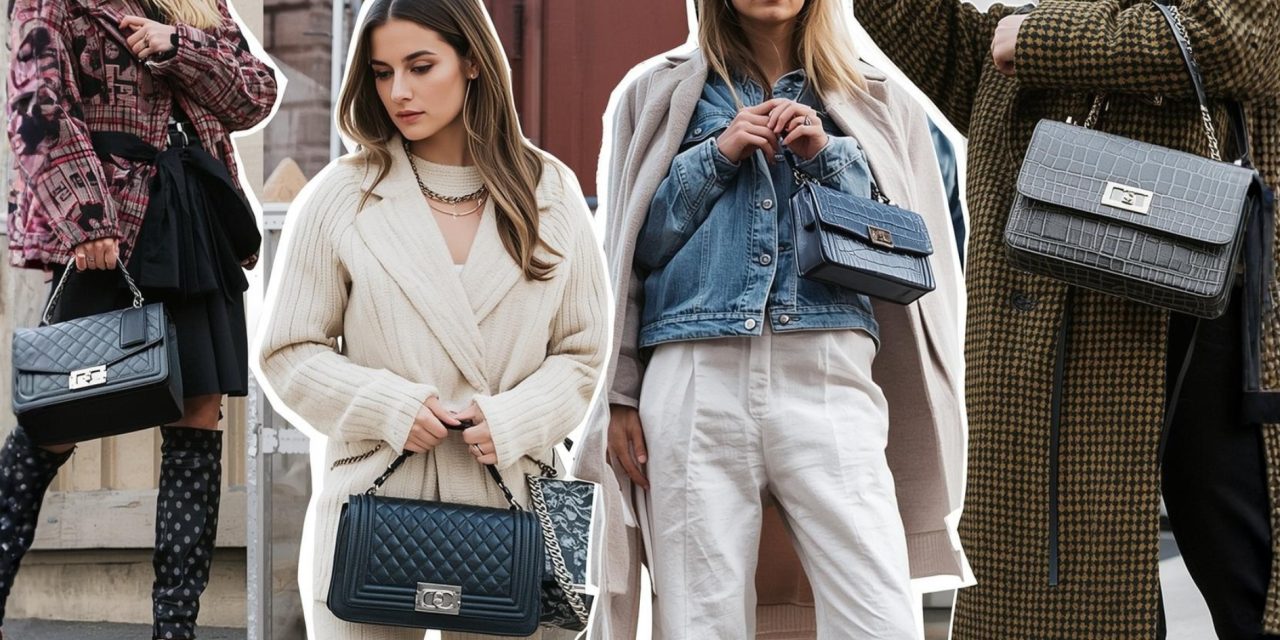
Designer dupes are legal, high-street alternatives that draw inspiration from luxury aesthetics without copying logos, trademarks, or proprietary patterns. They replicate the feel of a designer item through silhouette and styling, not branding. Think Zara interpretations of Gucci-style bags or H&M takes on classic Chanel-inspired tailoring.
The most immediate difference is price. A luxury handbag can cost several thousand dollars, while its dupe equivalent often falls under $50. This makes designer-inspired fashion accessible for everyday wardrobes rather than reserved for rare splurges.
Materials also differ significantly. Designer originals typically use premium leather, silk, or wool, while dupes rely on PU leather, polyester blends, or synthetics. While these materials may not offer decades of wear, many hold up well for seasonal use and trend-driven styling. Logos further separate the two categories. Designer pieces emphasize brand identity, while dupes intentionally avoid trademarks, opting for clean, unbranded finishes.
Original vs Dupe: Real-World Comparisons
Seeing originals and dupes side by side helps clarify where value, quality, and purpose diverge.
| Original Item | Dupe Alternative | Price Comparison | Quality Score (1–10) |
| Gucci Marmont Bag | Shein bag dupe | $2,500 vs $45 | Original: 10 | Dupe: 7 |
| Louis Vuitton Neverfull | Mango tote dupe | $1,500 vs $60 | Original: 10 | Dupe: 8 |
| Chanel Flap Bag | ASOS chain bag dupe | $8,000 vs $35 | Original: 10 | Dupe: 6 |
| Prada Nylon Bag | Zara crossbody dupe | $1,200 vs $40 | Original: 9 | Dupe: 7 |
The originals dominate in craftsmanship, longevity, and material integrity. Dupes, however, deliver strong visual impact, practicality, and trend relevance at a fraction of the cost. For many shoppers, that trade-off makes sense—especially for styles worn frequently or tied to short-lived trends.
Conclusion
Designer dupes reflect a broader shift in fashion consumption. Shoppers are more informed, less brand-dependent, and increasingly focused on versatility and value. Dupes don’t replace luxury. Rather, they complement it, offering flexibility and accessibility without sacrificing style awareness.
When chosen intentionally, dupes allow experimentation, seasonal updates, and polished looks without long-term financial pressure. They prove that great style isn’t dictated by price tags, but by how confidently you curate and wear your wardrobe.
How many luxury looks have you skipped simply because the price said “not today”? You’re In Style is rolling out deep dives into dupes across every fashion category, helping you shop with confidence, strategy, and serious style power.