Some clothing purchases feel magical for exactly three weeks. Then suddenly the “must-have” trend piece is sitting in the closet like a very expensive emotional support decoration you somehow forgot existed. Meanwhile, the same old sweater keeps surviving every season like it pays taxes.
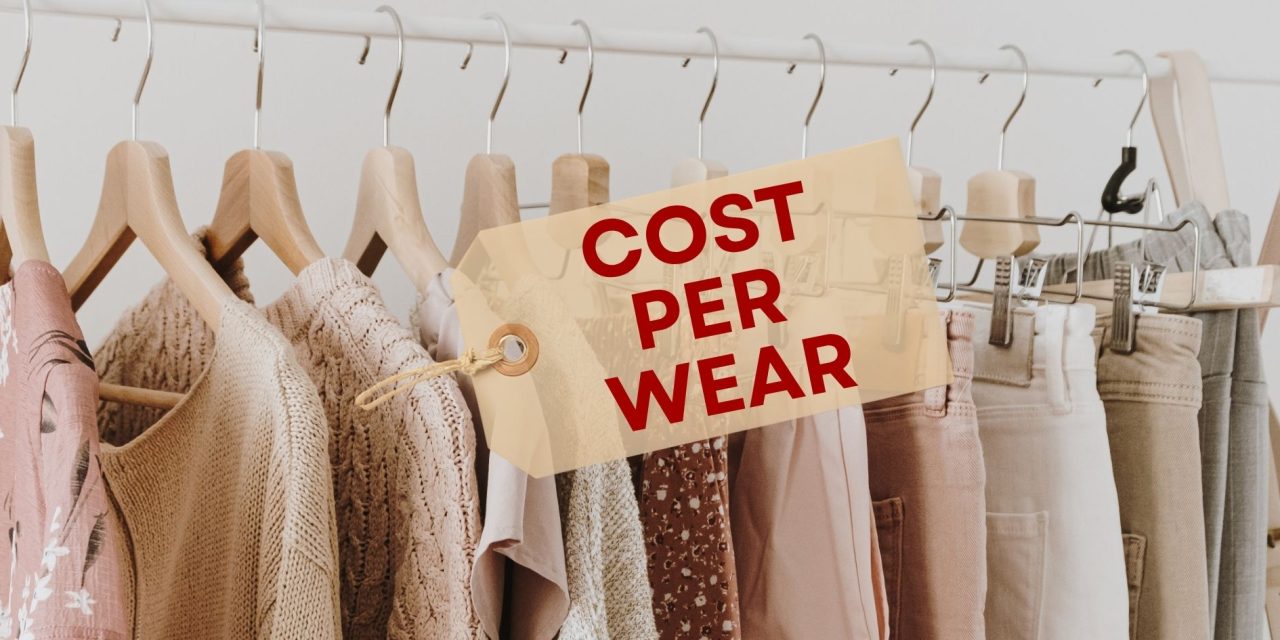
That disconnect is exactly why more shoppers are using cost-per-wear calculations to decide whether clothing is actually worth buying. Instead of focusing only on price tags or trends, this approach measures how much value a piece delivers over time. This piece explores how cost-per-wear helps shoppers separate trendy impulse buys from timeless investment pieces.
Cost-Per-Wear Calculation
Cost-per-wear is one of the simplest ways to evaluate whether a clothing item truly deserves its price. The formula works by dividing the purchase price by the number of times you realistically expect to wear the piece.
Cost per Wear =Purchase PriceProjected Number of Wears
For example, a $200 cashmere sweater worn 100 times costs about $2 per wear, while a cheaper $30 sweater worn only 10 times actually costs $3 per wear. Suddenly the “expensive” option starts looking far more practical.
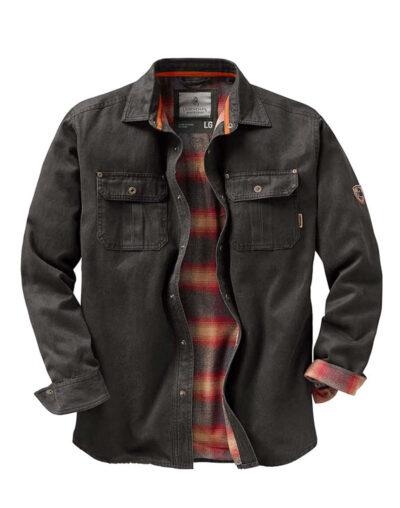
Classic wardrobe staples often perform much better in these calculations because they remain wearable across multiple seasons and trends. Pieces like Levi’s 501 jeans, trench coats, cashmere sweaters, and neutral outerwear usually deliver stronger long-term value than highly trend-driven items that lose appeal quickly.
Many fashion enthusiasts now track their wardrobes using spreadsheets or wardrobe apps to better understand which purchases actually earn repeated use over time. This approach encourages more thoughtful shopping and reduces impulse buying tied to short-lived fashion cycles.
Longevity Projections
Cost-per-wear becomes even more useful when shoppers estimate how long a garment is realistically expected to last.
Several factors influence longevity:
- material quality
- construction methods
- frequency of wear
- maintenance requirements
- trend lifespan
A well-made trench coat worn consistently for 10 years often delivers far better value than trend-focused pieces designed around one fashion season. Similarly, durable fabrics like wool and cashmere tend to outperform cheaper synthetic materials when maintained properly.
Many shoppers now use simple wardrobe planning formulas in tools like Google Sheets to estimate long-term value before making larger fashion purchases.
CPW =PriceLifespan Years x Wears per Year
This mindset shifts fashion shopping away from emotional impulse purchases and toward more intentional wardrobe building. Timeless pieces become easier to justify because their value continues growing with every wear.
Conclusion
Cost-per-wear calculations have become popular because they encourage smarter, more intentional fashion choices beyond temporary trends. By focusing on longevity, versatility, and repeated use, shoppers can build wardrobes filled with pieces that continue delivering value season after season.
Sometimes the smartest fashion investment is simply the piece you never stop reaching for.
What’s the one clothing item in your wardrobe that has survived trend cycles, random style phases, and at least three “I need a whole new aesthetic” moments? Tell us in the comments, and keep building a smarter, more timeless wardrobe with You’re In Style!