Style is not discovered in a fitting room. It is revealed in repetition.
The pieces you reach for on rushed mornings, important meetings, casual dinners, and long travel days tell a more honest story than any trend report ever could. Yet most wardrobes are crowded with well-intentioned purchases that never earn their hanger space.
Before investing in another statement piece or another “forever classic,” the most strategic move is assessment. A structured review of what you actually wear transforms shopping from emotional reaction into informed decision-making. The result is not restriction — it is refinement.
The 30-Day Wear Test: Evidence Over Impulse
Experts in wardrobe strategy often recommend a 30-day wear test for one simple reason: data does not lie.
Track every outfit you wear for a full month. Patterns emerge quickly. Most people rotate between five to seven reliable combinations — their personal “style uniforms.” Perhaps it is dark denim with structured blazers. Maybe it is tailored trousers with soft knits. Whatever appears repeatedly defines your authentic baseline.
Use a simple spreadsheet in Microsoft Excel or a notes app to log:
- Item
- Number of wears
- Occasion
- Estimated cost per wear
- Keep or Release
This exercise separates aspirational purchases from functional favorites. A well-made knit worn ten times in a month clearly earns its place. The hyper-trendy top worn once for a themed brunch — charming, but perhaps not foundational.
Subtle truth: If an item requires a very specific event, weather pattern, and mood to be worn, it may be decorative rather than essential.
Cost per wear becomes your most rational metric. The more frequently you wear something, the more valuable it becomes — regardless of its original price tag.
Conducting a Strategic Wardrobe Gap Analysis
Once you understand what you wear, you can identify what is missing.
Begin by laying out your wardrobe in full view. Yes, all of it. Visibility eliminates illusion. Categorize items into three groups: consistently worn, occasionally worn, and rarely worn.
From there, analyze gaps. Are you lacking polished black trousers for work? A structured layering piece? Durable everyday tops that survive frequent washing? Gaps reveal whether your wardrobe leans too heavily on fleeting trends or lacks dependable staples.
Follow this structured approach:
- Clear and review every item.
- Track wears for 30 days.
- Categorize into high, moderate, and low rotation.
- Calculate cost per wear.
- Identify 3–5 priority replacements.
- Remove low-wear pieces to create space.
- Rebuild intentionally with versatility in mind.
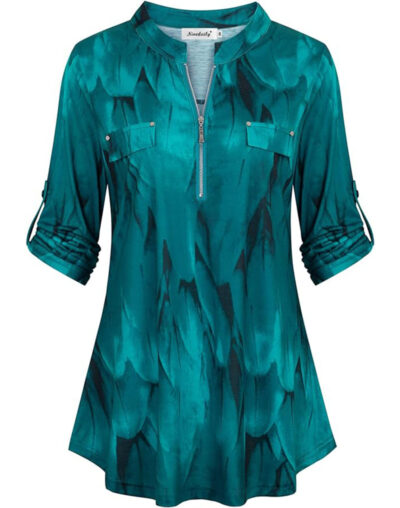
The goal is not minimalism for its own sake. It is alignment. Durable, well-constructed pieces such as wide-leg trousers, tailored black pants, and machine-washable blouses support daily life far better than impulse trend buys.
When classics dominate and trends are curated carefully, your wardrobe becomes cohesive rather than chaotic.
Conclusion
Personal style is not built on constant consumption. It is built on consistency.
The 30-day wear test and wardrobe gap analysis offer clarity grounded in evidence rather than emotion. They reveal which items support your real life and which simply looked convincing under boutique lighting.
With this insight, trends become thoughtful additions rather than distractions. Timeless pieces become long-term investments rather than afterthoughts.
And perhaps most importantly, getting dressed becomes simpler — not because you own less, but because you own better.
Before your next purchase, ask yourself: does this support the wardrobe you actually wear? Discover more refined, strategic style guidance at You’re In Style, where thoughtful dressing always leads the conversation.