Fashion trends change quickly. One week something feels essential, and the next week it’s quietly disappearing from store racks. That’s why understanding quality and craftsmanship matters far more than simply following trends.
The difference between a $30 fast-fashion item and a $300 investment piece often comes down to materials, construction, and attention to detail. Higher-quality garments usually last longer, maintain their shape better, and continue looking polished after many wears.
Instead of focusing only on what’s trending, learning how to evaluate quality helps build a wardrobe filled with pieces that remain stylish season after season. By paying attention to a few simple indicators in-store, shoppers can distinguish between fleeting fashion and clothing that offers lasting value.
Why Craftsmanship Matters More Than Trends
Quality construction plays a major role in how long a garment will last. Even the most fashionable piece quickly loses its appeal if seams unravel, fabric pills, or buttons fall off after a few washes.
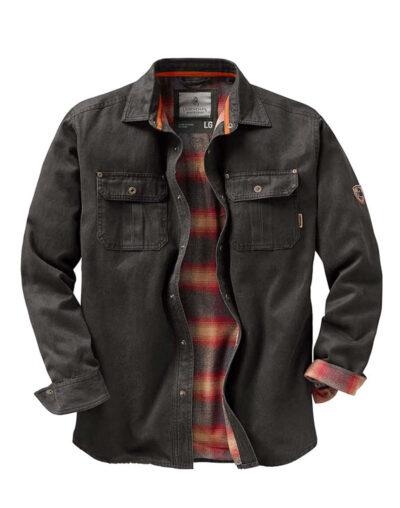
Start by examining stitching and seams under good store lighting. Well-made garments usually feature neat, evenly spaced stitches and reinforced edges that prevent fraying.
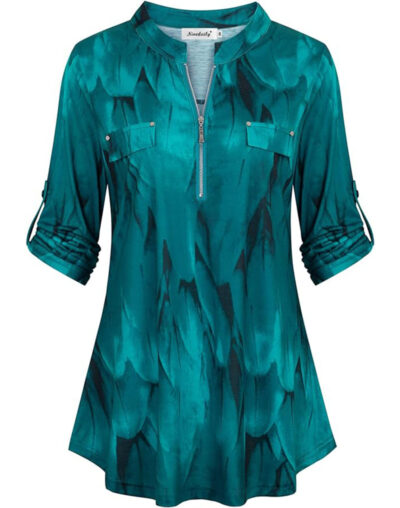
Next, check hardware such as zippers and buttons. Strong metal hardware typically glides smoothly and feels secure. Weak plastic zippers or loose buttons can be early signs of lower-quality construction.
Fabric feel is another key clue. Materials with a slightly heavier weight often indicate durability and better structure. Lightweight fabrics aren’t always poor quality, but extremely thin materials can signal short-term wearability.
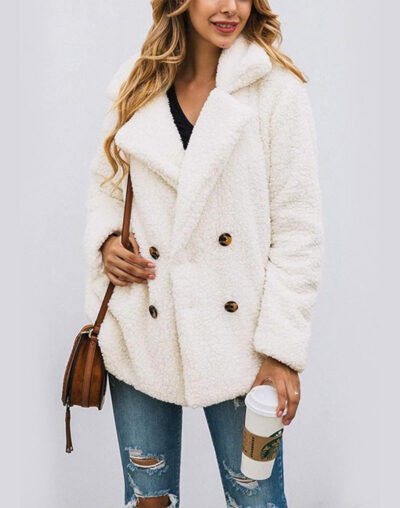
Finally, consider cost per wear rather than just the purchase price. A well-made wool coat worn for several winters often becomes more economical than multiple inexpensive jackets that wear out quickly. This mindset encourages thoughtful purchases that balance trends with timeless style.
Simple Material Durability Tests in Store
A few quick fabric tests can reveal a lot about a garment’s long-term quality. These small checks take only seconds but can help determine whether an item is worth investing in.
Start with fabric weight and density. Heavier fabrics typically feel more substantial and hold their shape better over time. For example, a thick cashmere sweater from Everlane may feel denser and more structured compared to lighter versions from Zara.
Next, try the pull test. Gently rub or stretch the fabric. High-quality materials usually resist pilling and quickly return to their original texture.
Inspect the seams carefully. Premium garments often use construction techniques like French seams or flat-felled seams, which strengthen the garment and create cleaner finishing.
A quick stretch-and-release test can also help. Pull the fabric slightly and release it. If the material snaps back into shape quickly, it likely has strong elasticity and durability.
Finally, look at the garment label. Certifications such as OEKO‑TEX Standard 100 suggest the fabric has been tested for harmful substances and meets certain safety standards.
Even a simple drape test—holding the garment on a hanger to see how it falls—can reveal whether the fabric maintains structure or droops awkwardly.
Conclusion
Trends can make shopping exciting, but quality is what keeps clothing in your wardrobe for years. By paying attention to construction, materials, and durability, shoppers can make more thoughtful decisions between trendy pieces and timeless staples.
Simple checks like seam inspections, fabric tests, and hardware evaluation make it easier to spot garments that will truly last. Over time, this approach leads to a wardrobe built on quality, versatility, and long-term value.
Have you ever bought a trendy clothing item that fell apart after just a few wears, or discovered a piece that lasted years unexpectedly? Share your biggest quality-check shopping tip in the comments and keep discovering smarter style insights with You’re In Style!