Ever looked at a battered piece of wood and wondered why anyone would throw it away? Sometimes, the answer is simply that nobody has imagined what it could become.
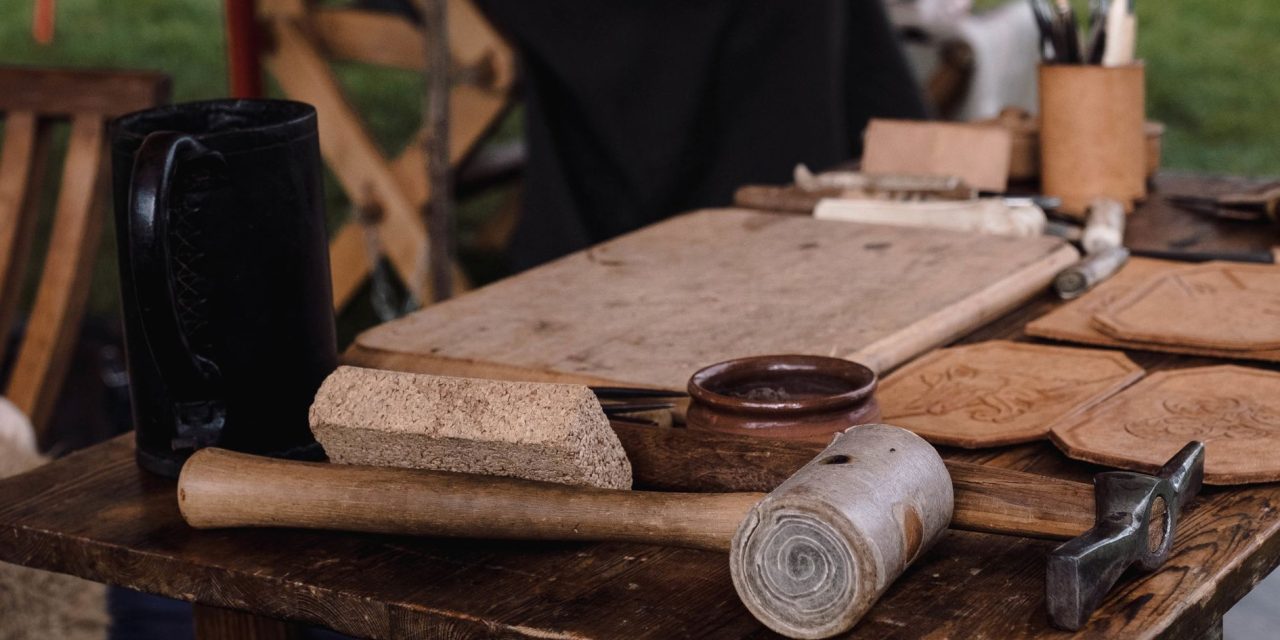
Old timber can look rough, tired, or completely unremarkable when it is sitting in a garage or scrap pile. Give it some attention, though, and those scratches, knots, and weathered textures can become part of its charm.
That is where upcycled wood home decor gets interesting. Instead of buying another perfectly finished decorative piece, you can transform overlooked timber into something with character.
The process does not need to be complicated or expensive. With the right piece of wood, some preparation, and a suitable finish, discarded materials can become attractive additions to your home.
Find Wood With Decor Potential
The first step is finding pieces that can actually become something worth displaying. Construction sites, flea markets, garages, and local sellers can all be useful places to look.
You can also ask builders, contractors, or friends whether they have unwanted scraps. Someone else’s leftover board could become your next shelf, wall accent, sign, or decorative feature.
Online marketplaces can help, too. Craigslist and Facebook Marketplace often have listings for reclaimed timber, leftover building materials, and unwanted wooden pieces.
Habitat for Humanity ReStores can also be worth checking. These stores commonly carry donated building and home improvement materials that can be repurposed.
When choosing wood for decor, consider both its appearance and condition. Oak is durable and works well for furniture or substantial decorative pieces.
Pine is lighter and can suit simpler projects, including shelves and lightweight wall decor. The best choice ultimately depends on what you want the finished piece to do.
Before bringing anything home, inspect it carefully. Look for serious damage, excessive warping, rot, or structural problems that could make the project impractical.
You also want to consider the wood’s existing character. Knots, grain patterns, and weathering can add visual interest rather than needing to disappear completely.
That distinction matters when creating home decor. You are not necessarily trying to make old wood look brand new.
You are giving its imperfections a better setting.
Turn Rough Timber Into Finished Decor
Once you have suitable wood, preparation determines how polished the finished decor will look. Start by cleaning the surface and removing loose dirt or debris.
Sand rough edges and uneven areas until the piece feels smooth enough for its intended use. You can leave some character visible while eliminating anything that looks accidental rather than intentional. After sanding, remove the dust thoroughly. A clean surface helps your chosen finish adhere properly and keeps the final result looking neat.
For a durable protective finish, products such as Minwax Polycrylic can work well. Apply it with a quality brush or foam applicator using light, even strokes.
Avoid overworking the finish because excessive brushing can create bubbles or uneven areas. The first coat generally needs around two hours to dry.
Once dry, lightly sand the surface with fine-grit sandpaper. Remove the resulting dust before applying the second coat.
That extra coat adds durability while giving the wood a smoother, more finished appearance. It can also help your decorative piece hold up better with everyday use.
Danish oil offers another option when you want to emphasize the natural character of the timber. It can enhance the grain while providing protection.
The process requires patience because multiple layers can build richer depth. That slower approach can be worthwhile when the wood itself is meant to be the visual star.
The finish you choose should also suit the role of the piece. A frequently handled shelf needs different protection from a purely decorative wall accent.
Think about the final room, too. Natural wood can bring warmth to minimalist interiors, soften modern spaces, and complement other organic materials.
Even a simple reclaimed board can become more interesting when paired with the right surroundings. Placement, styling, and proportion can turn an inexpensive material into intentional home decor.
Conclusion
Upcycled wood home decor proves that beautiful interiors do not always begin with brand-new materials. Sometimes, they begin with something most people have already overlooked.
The right piece of timber can bring texture, warmth, and personality into a room without requiring a major decorating budget. Its imperfections can even become the feature that makes the finished piece feel unique.
With careful sourcing, basic preparation, and a thoughtful finish, old wood can move from scrap pile to statement piece. The result is decor with a little more character and a much better story.
What ordinary material in your home could become surprisingly beautiful if you stopped seeing it as something to throw away?
You’re In Style takes that same idea into home decor, where unexpected materials can sometimes give a room far more personality than another predictable accessory.