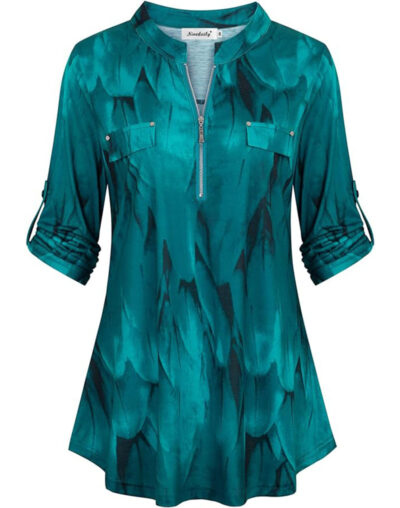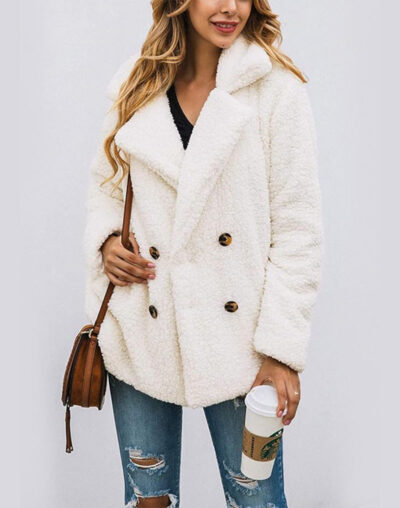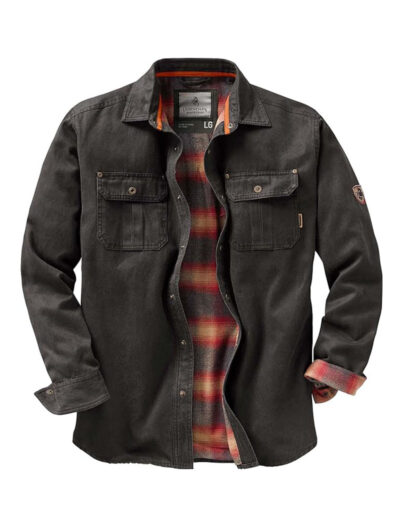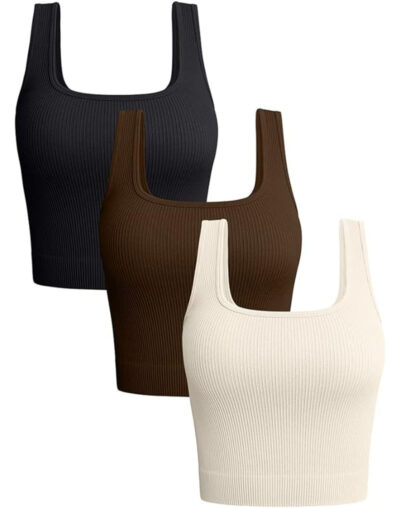
You ordered your usual size, pictured the outfit looking incredible, and waited for delivery. Then you tried it on, and suddenly the size label felt like a personal prank.
Online shopping makes finding cute outfits ridiculously easy, until sizing enters the chat. A small can fit like a medium, one brand’s size 8 can differ from another’s, and returning everything gets old fast.
Here’s the trick: stop trusting the label alone. Your wardrobe already holds a surprisingly reliable sizing guide, and learning to use it can make your next online order far less of a gamble.
Vanity Sizing, Inconsistent Labels, and Regional Differences
A size 8 doesn’t mean the same thing at every retailer. Vanity sizing, where brands assign smaller numbers to larger garments, adds another layer of confusion.
Alpha sizing makes comparisons trickier. One brand’s medium might fit like another’s small or large, depending on its sizing system and garment design. Petite, tall, junior, and plus-size ranges can also use different proportions.
Shopping internationally adds another puzzle. US, UK, and EU sizes use different systems, and conversion charts don’t always match perfectly across retailers. Men’s, women’s, and unisex clothing may follow different sizing conventions, too.
The takeaway? Treat the size label as a starting point, not a guarantee. Comparing actual measurements gives you a more useful reference than assuming your usual size will always fit.
Reading an Online Size Chart the Right Way
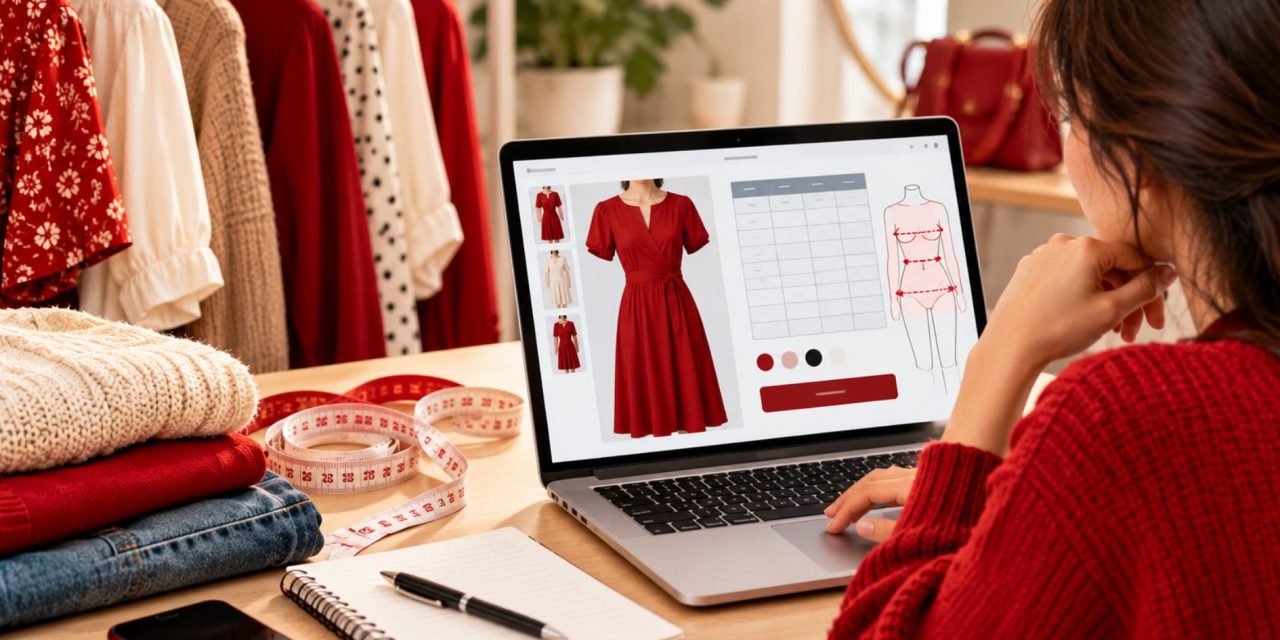
Before selecting a size, open the retailer’s size guide. You’ll usually find it near the size selector or elsewhere on the product page.
First, check whether the chart lists body measurements or garment measurements. These describe different things, so confusing them can leave you ordering something much tighter or looser than expected.
Next, check which sizing system the chart uses. Look for XS through XXL, numbered sizes, or separate options for petite, tall, plus-size, and other categories. Make sure you’re reading the chart for the correct clothing range.
If the chart doesn’t clearly explain its measurements, look for notes elsewhere on the product page. Customer reviews can also reveal whether an item tends to fit snugly, loosely, or as expected.
Remember that each brand may use its own sizing standards. Comparing measurements for every new retailer is more reliable than assuming the same label guarantees the same fit.
Body Measurements vs. Garment Measurements
Body measurements describe your body. Garment measurements describe the clothing itself, sometimes measured flat across a particular area.
For example, a shirt measuring 20 inches across the chest when laid flat has an approximate chest circumference of 40 inches. This assumes the garment is measured straight across and both sides are equal.
However, some retailers list the full circumference instead of the flat measurement. Always check the chart’s headings and notes before comparing numbers.
Consider a shopper with a 38-inch chest who wants a relaxed-fitting top. A body-measurement chart might recommend a medium for that chest size. A garment chart might show a medium with a 42-inch chest circumference, providing four inches of additional room.
Once you’ve identified the chart type, use the right comparison:
- Garment measurements: Compare the listed dimensions with a similar garment you already own, measured the same way.
- Body measurements: Compare the chart with your body measurements, then consider how much extra room you want.
That extra room is called ease. A fitted blouse usually needs less ease than a relaxed sweater, while an oversized style may need considerably more.
Your preferred fit matters just as much as the numbers. Think about whether you want a garment to skim your body, sit loosely, or feel oversized before choosing a size.
Finally, check customer reviews for useful fit feedback. Comments about tight shoulders, loose waists, short sleeves, or generous cuts can help you make a more informed choice.
Conclusion
Online sizing shouldn’t feel like a lottery where the prize is a pair of trousers that actually fits. Once you understand size charts and compare measurements with clothes you already love, you can shop with greater confidence.
Your usual size can still be a useful starting point. Just let the measurements have the final say.
Ever ordered clothes in your usual size, only to find the top fits like a tent and the trousers look personally offended by your hips? You’re In Style helps you navigate fashion’s sizing chaos so your next delivery brings outfit excitement, not a return-label emergency.