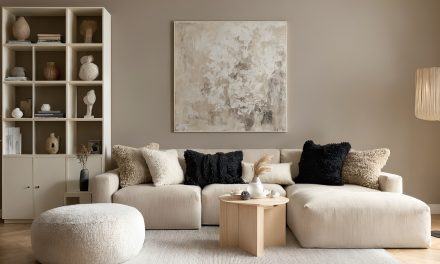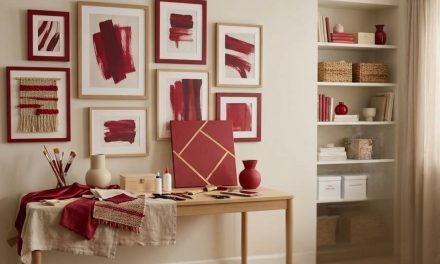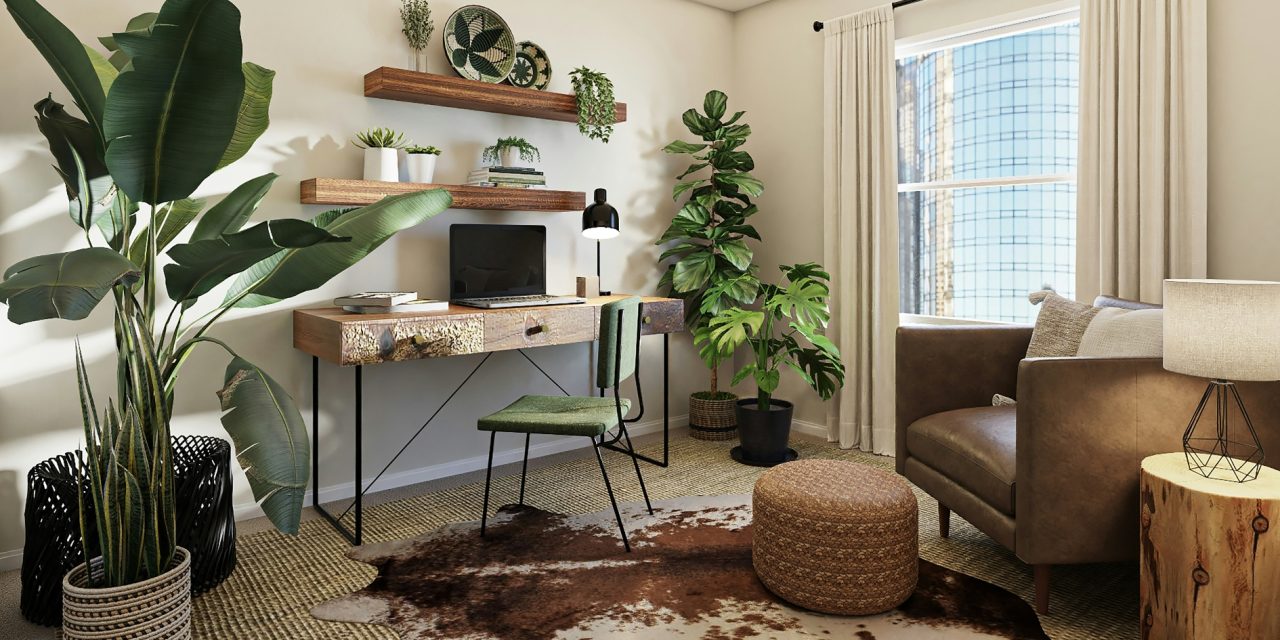
A bare wall isn’t just empty—it subtly exposes everything else around it. Furniture can be styled, lighting can be perfect, but if the walls feel like an afterthought, the whole room loses cohesion. The mistake most people make is rushing to fill that space with something loud or trendy, only to replace it months later.
Nature-inspired wall hangings take a different route. Instead of competing for attention, they anchor the room through texture, tone, and irregularity—the kind that feels lived-in, not staged. It’s less about decoration and more about creating a visual pause that makes the rest of your space make sense.
Gathering Natural Materials
Start with what’s available, not what’s perfect. The charm of nature-based decor comes from variation—slightly uneven shapes, faded tones, and layered textures that don’t feel manufactured.
Look for:
- Twigs and small branches for structure
- Dried leaves or flowers for color and softness
- Pebbles or acorns for weight and contrast
- Grass strands or bark for added texture
Wooded paths, gardens, or even roadside greenery can offer enough variety if you pay attention. The key is collecting with intention—different sizes, tones, and textures that can work together later.
Before using anything, clean and dry your materials properly. This keeps the final piece looking refined rather than messy, and helps preserve the natural details that make it stand out.
Creating Your Design
This is where most people overcomplicate things—don’t. The goal isn’t perfection, it’s balance.
Lay everything out on a base like canvas or thin plywood and move pieces around until the composition feels natural. Avoid symmetry that looks forced; slight irregularity usually looks better on the wall.
A simple process keeps it clean:
- Start with larger elements to anchor the layout
- Build around them with smaller textures
- Leave breathing space so it doesn’t feel crowded
- Step back often—what looks good up close can feel heavy from a distance
Once you’re satisfied, secure everything with adhesive, working from the center outward. After it sets, a light sealant can add durability and a subtle finish without taking away the organic feel.
Why This Works on Bare Walls
Nature-based pieces do something most decor struggles with—they add presence without noise. Instead of dominating a wall, they soften it.
They also age well. Trends shift, colors rotate, but natural textures stay relevant because they’re not tied to a specific style. Whether your space leans minimal, boho, or modern, this kind of piece adapts without looking out of place.
Conclusion
A blank wall isn’t a problem to rush, it’s one of the few places in a room where you can set the tone without disrupting everything else. When you introduce natural materials, you’re not just “decorating”; you’re adding contrast, texture, and a sense of calm that most store-bought pieces try too hard to imitate.
What makes this approach work is its restraint. It gives the eye somewhere to land without overwhelming the space, and it connects the room in a way that feels subtle but intentional. Over time, that kind of detail does more for a space than louder, trend-driven choices ever could.
Is your wall empty—or is it just waiting for something that finally makes the room feel finished?Let us know in the comments—and keep refining your space with pieces that feel intentional, only at You’re In Style!