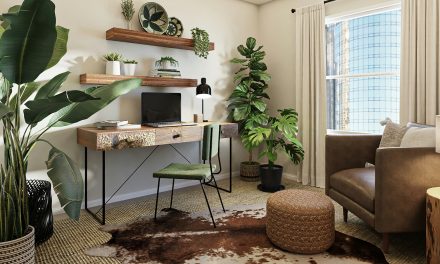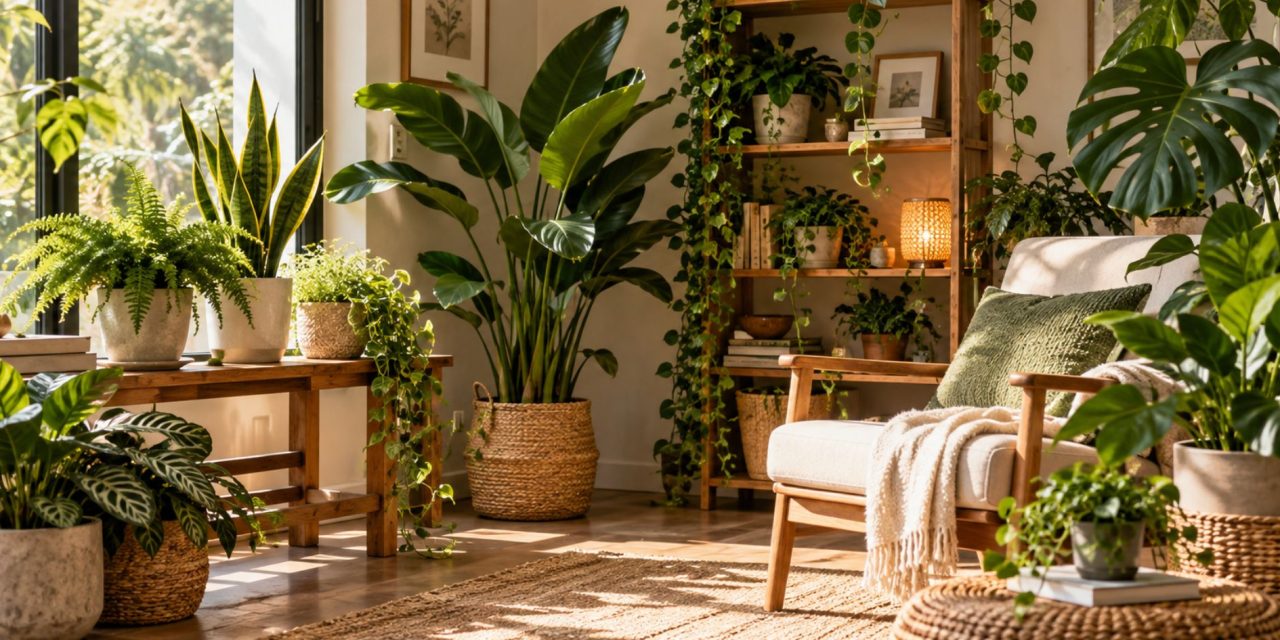
Adding nature to your home can instantly make a space feel fresher and more inviting. You don’t need a huge collection of plants or a house full of greenery either. A few well-chosen plants and natural elements can bring warmth, texture, and life indoors.
The key is choosing plants that suit your space and knowing how to care for them. When light, watering needs, planters, and placement work together, an indoor garden can become one of the most refreshing parts of your home.
Utilizing Plants and Natural Elements
Plants such as pothos and succulents are easy ways to introduce greenery without creating a demanding maintenance routine. For areas with limited natural light, snake plants can be a practical choice because they tolerate lower-light conditions and generally need less frequent watering.
Brighter spaces offer more options. Peace lilies, for example, can add striking white blooms, but they prefer consistently moist soil. Before choosing a plant, consider how much natural light reaches the area and how much care you can realistically provide.
If you are decorating on a budget, local nurseries can offer affordable options. You can also ask friends or family for cuttings and propagate your own plants, turning a small starter into more greenery over time.
Plant care matters just as much as placement. Dust leaves regularly so they can make better use of available light, and rotate pots occasionally to encourage more even growth. These simple habits can help plants stay healthier while keeping your indoor space looking fresh.
Creating a Cohesive Indoor Garden
An indoor garden works best when the plants feel intentionally arranged rather than scattered around the room. Start by considering the available space and choosing planters that fit without overwhelming the area.
Decorative pots with drainage holes can combine style with practical plant care. Group plants according to their light and watering requirements so that each one receives the conditions it needs.
For example, succulents generally prefer brighter light and less frequent watering, while ferns typically prefer indirect light and higher humidity. Keeping plants with similar needs together makes maintenance easier.
A moisture meter can also help you monitor soil moisture, particularly when you are still learning how frequently different plants need watering. It can be useful for avoiding the common mistake of watering every plant on the same schedule.
Adding Natural Decorative Details
Plants aren’t the only natural elements in your indoor garden. Decorative stones and pebbles can add texture around planters and complement the greenery.
However, drainage is important. Rather than relying on a layer of stones at the bottom of a pot to improve drainage, choose containers with proper drainage holes and use an appropriate potting mix.
Natural materials such as wooden stands, woven baskets, terracotta pots, and stone accents can also help create a cohesive look. These details allow the greenery to feel connected to the rest of your decor.
Conclusion
Bringing nature indoors does not require complicated landscaping or a large collection of plants. The right combination of greenery, natural textures, suitable planters, and thoughtful placement can transform an ordinary corner into a calming indoor garden.
Start with plants that match your home’s light and your available time for care. As your confidence grows, you can gradually add more varieties and natural elements to create a space that feels genuinely alive.
What could your home feel like if one overlooked corner became a small, living garden instead of another space?
You’re In Style explores practical ways to bring more natural beauty, warmth, and personality into your home without making decorating feel complicated.