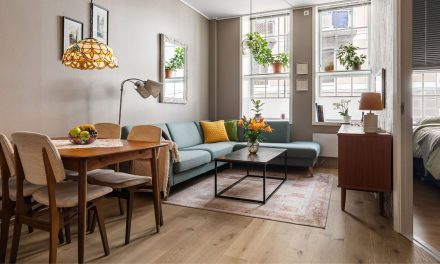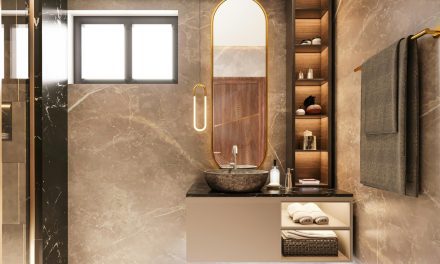
Every season quietly changes the mood of a home before most people even notice it. Suddenly the cozy autumn tones feel too heavy, bright summer colors start feeling chaotic, or your living room somehow begins looking emotionally exhausted by February.
That is why seasonal color refreshes work so well. They allow a space to evolve naturally throughout the year without forcing you to completely redecorate every few months. Even a few small shifts in color can make a room feel lighter, warmer, calmer, or more inviting almost instantly.
Seasonal Color Refreshes Work Best in Small Doses
The easiest way to update a home without creating visual chaos is by following the 60-30-10 color rule.
- 60% timeless base neutrals
- 30% seasonal supporting tones
- 10% bold accent color
This balance keeps spaces feeling fresh while still maintaining consistency throughout the year. Instead of fully redecorating, you simply rotate smaller accents like pillows, throws, candles, florals, or decorative objects.
Here is a simple seasonal palette guide:
| Season | 60% Base Neutrals | 30% Secondary | 10% Pop |
| Fall | Beige/Gray | Rust/Sage | Burnt Orange |
| Winter | Ivory/Charcoal | Evergreen/Navy | Gold Metallic |
| Spring | Soft White/Light Gray | Pale Green/Lavender | Butter Yellow |
| Summer | Sand/Driftwood | Teal/Coral | Bright Turquoise |
The reason this works so well is emotional rather than purely visual. Warm earth tones naturally make rooms feel cozier during colder months, while lighter pastels and airy shades create freshness during spring and summer.
Timeless Neutrals Keep Seasonal Decor From Feeling Overwhelming
Strong seasonal styling works best when grounded by reliable neutrals.
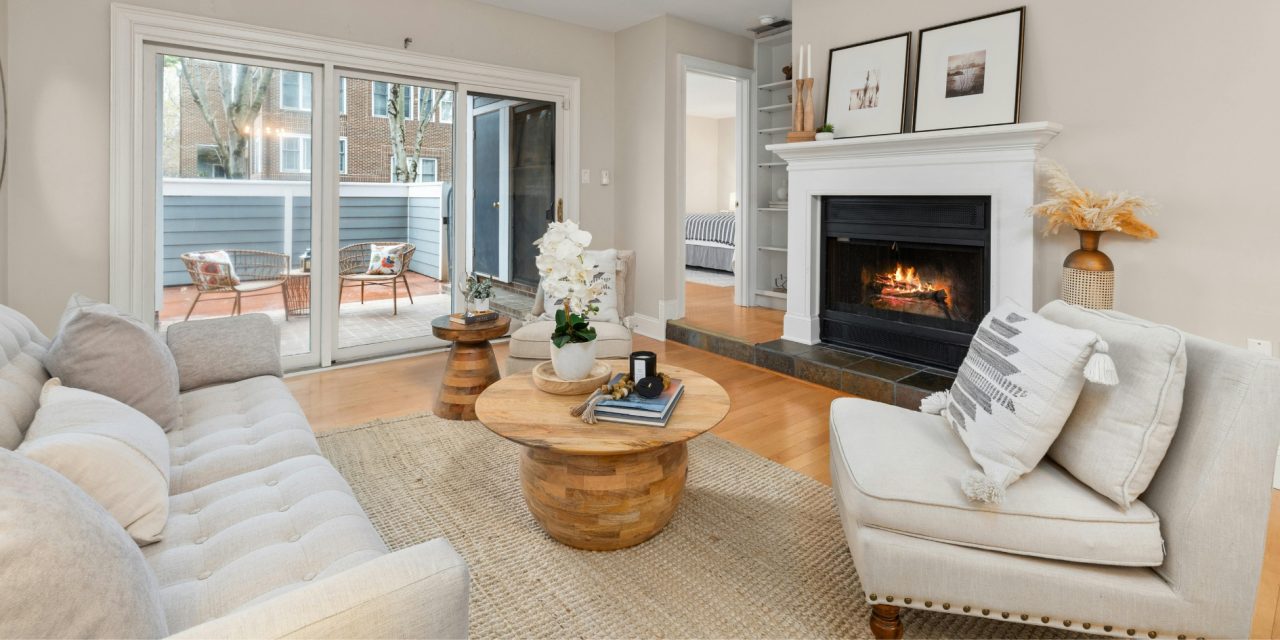
Soft whites, taupes, warm grays, charcoal tones, and sandy beige shades allow seasonal accents to stand out without making rooms feel cluttered or overly themed. They also make transitions between seasons much smoother.
Simple additions often create enough change on their own:
| Season | 60% Base | 30% Secondary | 10% Pop | Example Items |
| Fall | Taupe/Beige | Olive/Sage | Burnt Orange | Thrifted pillows, dried florals |
| Winter | Ivory/Charcoal | Forest Green | Gold | Faux branches, velvet cushions |
| Spring | Soft White/Light Gray | Mint/Lilac | Peach | Cotton curtains, fresh plants |
| Summer | Sand/Linen | Aqua/Rose | Citrus | Jute rugs, seashell displays |
The smartest seasonal refreshes usually happen through texture too. Linen instantly feels lighter for warm weather, while velvet, wool, and layered fabrics naturally create warmth during colder seasons.
Small Changes Often Feel the Most Satisfying
One of the biggest mistakes people make during seasonal decorating is assuming everything needs to change at once.
In reality, small updates tend to feel more personal and sustainable. A new centerpiece, fresh pillow covers, seasonal branches, or one colorful accent item can completely shift the atmosphere of a room without overwhelming the space.
That is also what makes seasonal styling emotionally satisfying. Homes evolve naturally with the rhythm of the year instead of feeling frozen in one permanent aesthetic.
Conclusion
Seasonal refreshes are not really about chasing trends. They are about creating spaces that feel emotionally connected to the time of year you are living in. Sometimes the smallest color change quietly changes the entire mood of a room.
Which season always makes you want to completely change the look and feeling of your home?Whether it is cozy fall textures or lighter spring colors, You’re In Style is full of simple ideas to help your space evolve beautifully with every season.