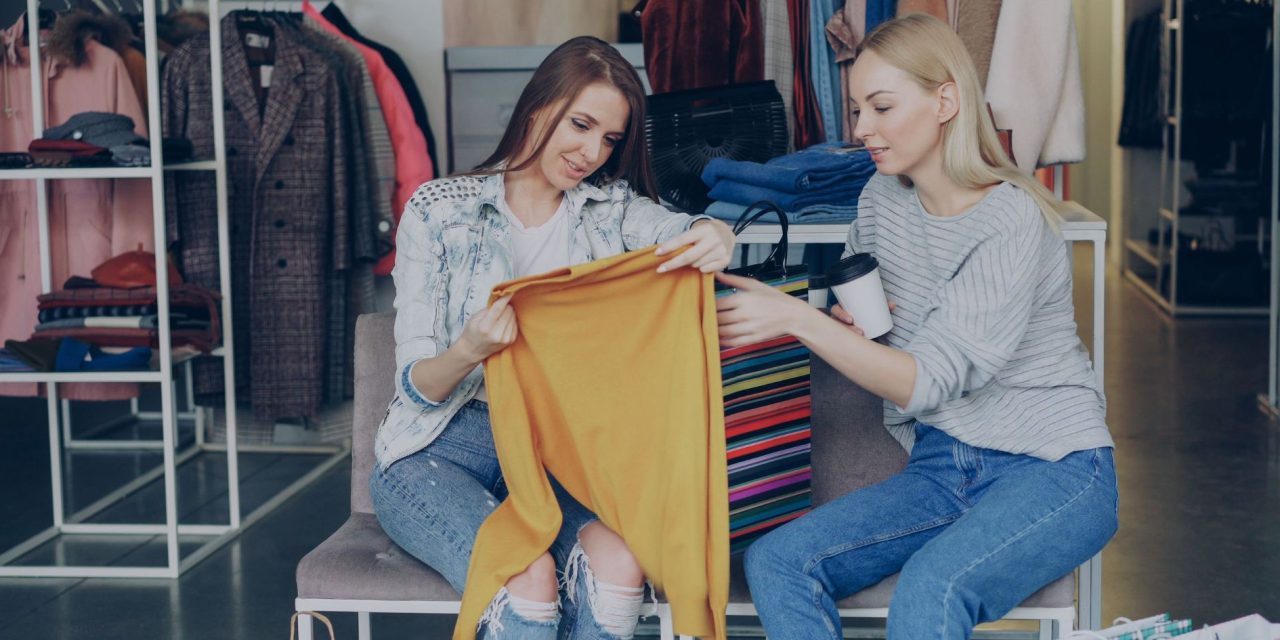
Building a more sustainable wardrobe does not mean giving up style or never buying anything new. It starts with buying more thoughtfully and making clothes last longer.
Choosing quality pieces, checking brand practices, and considering how often you will wear something can make shopping more intentional. Small changes can also help reduce unnecessary purchases and keep useful clothing in your wardrobe longer.
Before buying, use a simple framework to decide whether something deserves a place in your closet. Check certifications, investigate the brand, consider the material, and think about its potential resale value.
Look Beyond the Price Tag
Quality clothing can offer better long-term value when you wear it regularly and care for it properly. Instead of focusing only on the initial price, consider how often you are likely to wear the item.
Certifications can also provide useful information about materials and production standards. GOTS, for example, covers organic textile requirements alongside environmental and social criteria throughout certified textile supply chains.
Fairtrade’s Textile Standard addresses areas including working conditions, wages, health and safety, and environmental requirements. These certifications are not the only things to consider, but they can provide useful signals when comparing products.
Brand transparency matters too. Platforms such as Good On You assess publicly available information about brands’ impacts on people, the planet, and animals.
Think About Materials and Resale Value
The material of a garment can influence its environmental impact. Consider factors such as resource use, durability, recycled content, and how well the fabric suits the item’s intended use.
You can also run a simple resale value test before buying. Search pre-loved platforms for similar pieces from the brand and see whether they regularly appear for resale.
A strong resale market does not automatically make a garment sustainable. However, it can help you consider whether the piece has lasting appeal beyond the first few wears.
This approach also encourages you to think about cost per wear. A higher-priced item worn regularly may offer better value than a cheaper piece that quickly loses its place in your wardrobe.
Brand Rating Comparison
| Brand | Good On You Rating | What It Can Tell You |
| Patagonia | Good | Stronger performance across environmental and worker-related areas |
| Everlane | It’s a Start | Some positive practices, with areas still needing improvement |
| H&M | It’s a Start | Progress in some areas, alongside significant gaps |
| SHEIN | We Avoid | Major concerns around its environmental and social impact |
Use brand ratings as one part of your value assessment, rather than treating them as the entire buying decision. Look at the specific issues behind a rating and compare them with your own priorities.
A Simple Ethical Shopping Checklist
- Check certifications: Look for relevant standards such as GOTS or Fairtrade when they apply to the product.
- Try the resale test: Search pre-loved platforms to see whether similar items retain interest after their first owner.
- Consider the material: Look at durability, recycled content, resource use, and whether the fabric suits the garment.
- Research the brand: Check transparency information and independent ratings before making your purchase.
- Think about cost per wear: Ask whether you will wear the item often enough to justify buying it.
Use this checklist whenever you are tempted by a new seasonal piece. It can help separate something you genuinely need from something that simply looks good for five minutes online.
Conclusion
A more sustainable wardrobe does not have to be perfect, expensive, or completely free of new purchases. It can start with choosing fewer pieces, wearing them more often, and paying closer attention to how they are made.
The goal is to build a wardrobe that works harder for you while creating less unnecessary waste. When quality, transparency, durability, and personal style all enter the buying decision, sustainable fashion becomes a practical habit rather than another rule to follow.
What if the best thing in your wardrobe was not the newest piece, but the one you keep finding reasons to wear? You’re In Style shares fashion and styling ideas for building a wardrobe that works beyond the next trend.