Have you ever pulled out a dining chair only to have its back legs catch on the rug’s edge? That small annoyance can turn every meal into a frustrating experience. It can also make your rug shift, curl, or wear unevenly.
The problem often starts with choosing a rug based on the table alone. A dining rug needs enough room for chairs to move without slipping off its edges. That’s why chair pull-out space is one of the most important factors when choosing a dining-room rug size. It matters more than color, pattern, or even budget.
The good news? A simple measurement rule can help you get the size right before you buy. Here’s what happens when a rug is too small and how to calculate the space you actually need.
What Happens When the Rug Is Too Small
A too-small rug forces chair legs to straddle its edge. This can cause wobbling, scratched floors, and a cramped feeling that affects the dining experience. The front legs stay on the rug while the back legs drop onto the bare floor. As a result, the chair can tilt or catch whenever someone moves.
Function suffers first. Chairs snag on the rug edge, legs drag across the floor, and the rug may slide out of place. On hard floors like tile or hardwood, that movement can also grind grit into the finish. A rug pad helps keep the rug in place, but it cannot fix a rug that’s too small for the seating area.
Aesthetics suffer too. When a rug stops short of the pulled-out chairs, the dining room can look smaller and less put-together. It may even feel like a bath mat placed under a king bed.
The easiest test is to pull a chair out as if you were sitting down. Check whether all four legs remain comfortably on the rug. If the back legs catch the edge or slip onto the bare floor, you need more coverage.
The 24-Inch Pull-Out Rule, Explained
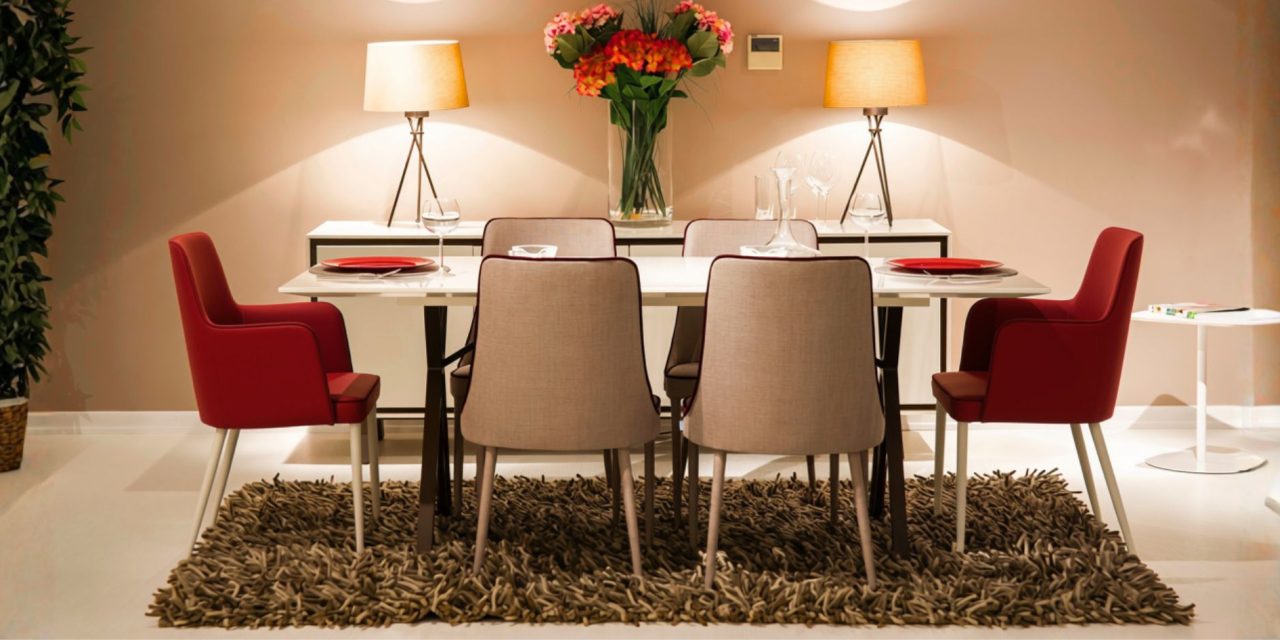
The 24-inch pull-out rule is a useful starting point: your rug should extend at least 24 inches beyond each edge of the dining table. This allowance helps keep chair legs on the rug when someone pulls a chair out to sit down. Remember, the measurement starts at the table edge, not the chair.
Standard dining chairs often work with 24 inches of clearance. Larger chairs, deep seats, or upholstered host chairs may need closer to 30 inches. If your room has plenty of space, a 36-inch allowance can provide extra room for movement behind the chairs.
Here’s how the measurement works in practice:
- Table width: 36 inches
- Add 24 inches on each side: 36 + 24 + 24 = 84 inches
- Minimum rug width: 84 inches, or 7 feet
Apply the same calculation to the table’s length. A table with chairs on all four sides needs the allowance in both directions. If one side sits against a wall and has no chairs, you can adjust that side’s allowance to suit the layout.
Matching Standard Rug Sizes to Your Dining Table
Once you’ve calculated the minimum dimensions, compare them with standard rug sizes. An 8×10 rug can suit many six-seat tables, while a 9×12 rug offers more coverage for larger tables. A 10×14 rug may work better for a long table with several chairs.
These are starting points, not guaranteed matches. Your table dimensions, chair depth, and available floor space all affect the final choice. A larger rug may be necessary if your chairs have arms or need more room to move.
Round tables generally pair well with round rugs, while rectangular tables usually work well with rectangular rugs. However, the shape alone doesn’t determine the right size. The rug still needs to accommodate the chairs when they’re pulled out.
Before ordering, measure your dining table and calculate the required rug dimensions. Then use masking tape or a cardboard template to mark the proposed rug border on the floor. Pull out every chair as you normally would and check that all four legs remain on the marked area.
Also consider the surrounding space. The rug should fit comfortably without crowding nearby walls, furniture, or doorways. If the size you need feels too large for the room, reconsider the layout before settling for a rug that leaves chairs catching on its edges.
The Right Rug Makes Every Meal More Comfortable
Choosing a dining-room rug isn’t just about finding a design that complements your table. It’s about making sure the space works just as well when everyone sits down as it does when the chairs are tucked away.
Allowing enough room for chair pull-out space helps prevent snags, protects your floors, and gives the dining area a more balanced appearance.
When choosing your next dining rug, have you considered how much space your chairs actually need beyond the table? You’re In Style explores the practical details behind beautiful interiors, helping you make home styling decisions that look work for everyday living.