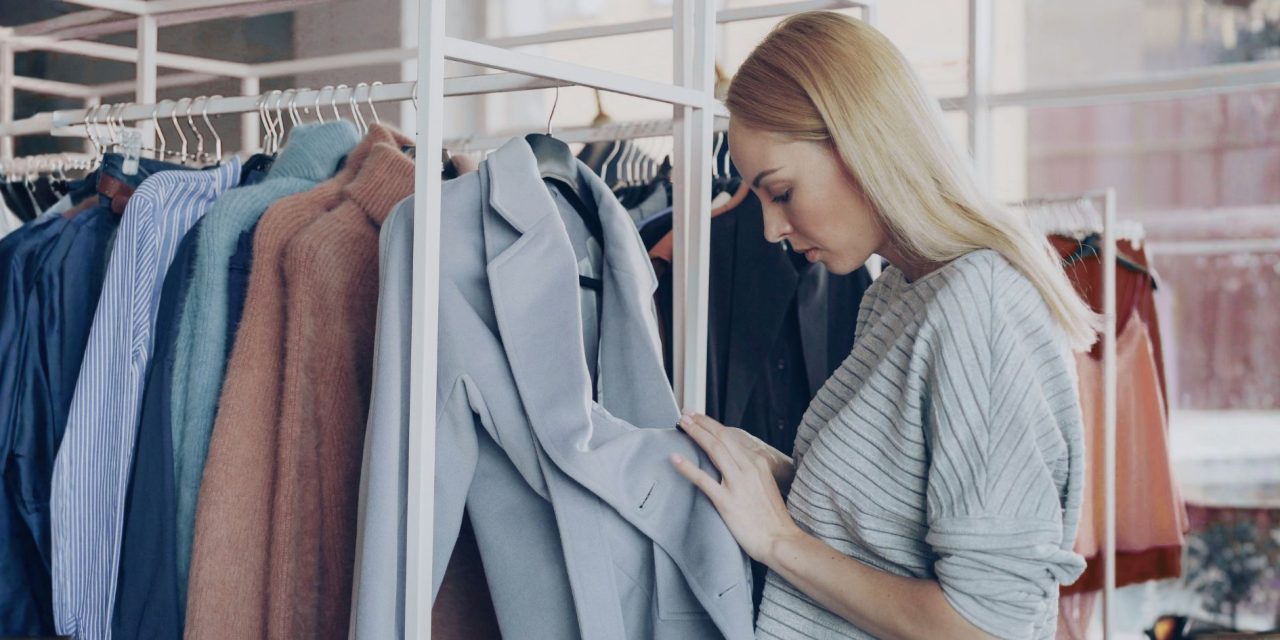
When you slip into a dress or jacket, the fabric touching your skin quietly determines whether you’ll feel comfortable all day or start itching by lunch.
Most shoppers judge a garment by its color, cut, and outer texture. Yet the hidden side tells a more honest story about apparel quality. A beautiful shell can hide scratchy seams, a heat-trapping backing, or a lining that sags after a few washes.
Inner construction shapes almost everything you feel while wearing a piece: how it glides over your body, how it breathes on a warm day, and how it holds its shape after repeated wear. It also offers clues about how long the garment may last.
That’s why inner fabric inspection deserves a moment of your time before you buy. Turn the piece inside out, run your fingers along the seams, and check the label. Those few seconds can save you from a purchase that looks lovely on the hanger but disappoints in real life.
What Lining Actually Does for a Garment
A lining is a separate inner layer of fabric with several jobs. It helps garments slide on easily, prevents see-through moments, adds structure, and can provide warmth.
Think about a lined wool skirt gliding over tights instead of bunching at your hips. Or a silk-lined blazer feeling smooth against a blouse. These small daily wins come from clothing lining doing quiet work behind the scenes.
Lining fabrics vary widely, and each brings different strengths:
- Polyester lining: Durable and inexpensive, but it can trap heat and feel clammy.
- Acetate lining: Smooth with a subtle sheen, though it may wear thin over time.
- Rayon and viscose lining: Soft and breathable, but prone to wrinkling.
- Cupro lining (often sold as Bemberg): Lightweight, breathable, and gentle on skin.
- Silk lining: Luxurious and temperature-friendly, with a higher price tag.
- Cotton lining: Breathable and skin-friendly, common in casual jackets.
You’ll also see satin lining and taffeta in coats and formal wear. Satin gives that slippery, fluid feel, while taffeta adds crisp structure.
The trade-offs matter. Synthetic linings can hold up well but may cause skin irritation or overheating for sensitive wearers. Natural fibers often breathe better, yet they may require gentler care. If you run warm or have reactive skin, cupro or cotton lining may be a kinder choice.
How Unlined Construction Changes Fit, Drape, and Comfort
An unlined garment skips that inner layer. This makes it lighter and more breathable, but it also exposes the inside seams and changes how the fabric behaves.
Without a lining, the inside finish takes centre stage. Quality makers use techniques like a Hong Kong finish, where raw edges are wrapped in bias strips, or a French seam, which encloses the raw edge entirely. Less refined pieces may rely on serging (an overlock stitch) or pinking shears. These can be appropriate finishes, but they may offer less protection against fraying, depending on the fabric.
Fabric choice matters even more here. A heavier cloth may cling to your body, while a lighter one can turn sheer in daylight. An unlined linen blazer feels wonderfully cool but shows every wrinkle. An unlined silk dress often needs a slip underneath for opacity.
Designers sometimes add hidden support instead of a full lining:
- Underlining: A second layer attached to the main fabric for body and opacity.
- Interlining: Added for warmth, common in coats.
- Facing: A shaped piece that finishes necklines and armholes.
- Bias binding: A strip that wraps and neatens raw edges.
- Fusible interfacing or sew-in interfacing: Adds crispness to collars and plackets.
Comfort cuts both ways. Unlined pieces breathe and wick moisture beautifully, which is a gift in summer. But exposed seams can rub, and scratchy stitching may trigger irritation for sensitive skin. Run your hand along the inside before buying, and check whether the seam finish feels smooth against your arm.
How to Inspect the Inside of a Garment Before Buying
Before you commit to a purchase, turn the garment inside out and give it a thorough once-over. You may spot red flags that aren’t visible from the outside.
The interior tells the real story of garment construction. A pretty exterior can hide weak seams, scratchy interfacing, or a lining that may pill after a few washes. A brief inspection can save you from a closet full of regrets.
Start with a simple checklist as you examine the piece:
- Feel along every seam for roughness or loose threads.
- Check the fabric content label for both shell and lining.
- Gently stretch the lining to test its recovery.
- Look at raw edges to see how they were finished.
This habit matters most when evaluating clothing lining choices. A lined blazer, skirt, or dress depends on its inner layer for structure, comfort, and drape. An unlined garment relies more heavily on seam quality to feel good against your skin.
The next sections walk you through what to look for. First, learn how to read stitching and seam finishes. Then, see how to judge lining quality before it fails.
Checking Seams, Stitching, and Fabric Content Labels
Run your fingers along the seams. If they feel rough or you see loose threads, construction may have been rushed.
Good stitching is even, tight, and consistent. Skipped stitches, wobbly lines, and uneven hems can indicate a garment that may unravel with wear. Hold the piece up to a window to see the stitch density more clearly.
Next, examine how the raw edges were finished. A proper seam finish helps prevent fraying and should lie comfortably against your skin. Common finishes include:
- Serging (overlock stitch): A wrapped edge that helps prevent fraying, common on everyday clothing.
- French seam: Raw edges enclosed inside a folded seam, smooth and elegant, often used on sheer or unlined pieces.
- Hong Kong finish: Raw edges wrapped in bias binding, often associated with careful construction.
- Pinked edges: Zigzag-cut with pinking shears, suitable for some fabrics that don’t fray easily.
Then read the fabric content label. It tells you what the shell and lining are made of, which affects breathability, moisture wicking, and how the piece may feel in heat or cold. A polyester shell with a polyester lining may trap heat, while a cotton shell with a cupro or Bemberg lining may feel more breathable.
Watch for quality warning signs: excessive fraying, loose threads at stress points, and seams that pucker or twist. A well-made seam should lie flat, feel smooth, and never itch. If a seam scratches your arm during a quick try-on, it may become even more irritating after a full day of wear.
Finally, check for interfacing at collars, cuffs, and waistbands. Fusible interfacing is bonded with heat, while sew-in interfacing is stitched in place. If fusible interfacing bubbles or feels stiff, it may be separating. A quick pinch test can tell you a lot about how the garment will hold its shape.
Spotting Cheap Linings That Fail Fast
Not all linings are created equal. Some inexpensive ones may pill, tear, or cling to your skin after just a few wears.
Thin polyester lining is a common budget option. It may tear at stress points like armholes, waist seams, and hems. Acetate lining can fray easily and may feel clammy. Static-prone synthetics can cling to tights and skin, especially in dry weather.
Here is how to test lining quality in the fitting room:
- Gently stretch the lining sideways. A good lining should recover reasonably well; a poor one may stay stretched or ripple.
- Press a thumb along the lining seam to check for seam slippage, where threads pull apart.
- Look for pilling, snags, or shine marks that may signal wear or low-quality fibers.
- Rub the lining between your fingers. If it feels plasticky or stiff, consider whether it will be comfortable to wear.
A quality lining feels smooth, has a bit of give, and moves with the garment rather than against it. Rayon lining, viscose lining, cupro lining, and Bemberg are breathable options that often drape well and resist static. Silk lining is a luxurious comfort option but needs gentle care. Cotton lining suits casual pieces and breathes beautifully, though it wrinkles more.
Match the lining to the garment’s care requirements. A dry-clean-only shell with a washable lining can create confusion at laundry time. Also consider thermal insulation: a heavier lining adds warmth for winter coats, while a light satin lining can work well in warmer-weather dresses.
Check the underlining and interlining too, since these hidden layers affect fabric weight, drape, and opacity. A sheer skirt with underlining may offer better coverage, but a poorly fitted underlayer can bunch or shift. If a facing at the neckline curls outward or feels scratchy, that’s another sign of shortcuts.
The Inside Tells the Full Story
A garment’s outer look may catch your eye, but its inner construction often determines whether you’ll love wearing it. Checking the lining, seams, and fabric content before buying helps you choose pieces that feel comfortable and hold up over time.
The next time you’re shopping, turn that dress or jacket inside out before making your decision. A few moments of inspection can make all the difference between a beautiful purchase and one you’ll regret.
Ever wondered why some clothes feel effortlessly comfortable while others become irritating after a few hours? You’re In Style explores the details behind better-fitting, better-feeling clothes, helping you make smarter choices every time you shop.