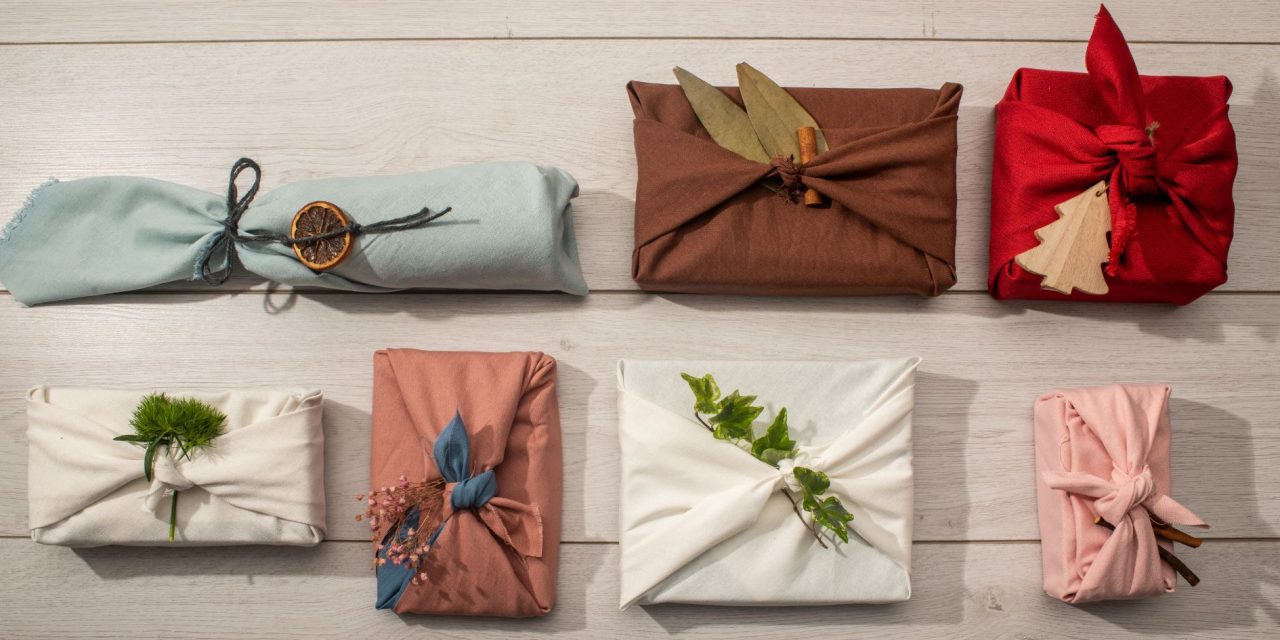
Beautiful gift wrapping doesn’t have to mean another trip to the store. In fact, your next wrapping material might already be hiding in your closet or linen cabinet. That forgotten scarf or tablecloth could be more useful than you think.
Reusable fabric wrapping offers a practical, stylish alternative to disposable paper. It also gives everyday household textiles a second purpose. With a little creativity, you can turn scarves, shirts, and leftover fabric into attractive wraps for almost any occasion.
What You Already Own That Works as Wrapping
Before buying anything new, look through your closet and linen cabinet. You likely have at least five items that can become beautiful fabric wraps. Reusable gift wrapping works best when you start with what you already own.
Scarves are the easiest option. A silk or cotton scarf wraps a small box quickly, and the recipient gets another wearable gift. Bandanas bring a casual, colorful look that suits books, candles, and jars.
Tea towels are sturdy enough for kitchen gifts and look charming with a simple knot. Pillowcases accommodate larger, awkward shapes like sweaters or board games. Old button-down shirts also provide plenty of soft cotton, especially through their sleeves and back panels.
Fabric remnants from previous sewing projects are another excellent option. Leftover cotton or linen pieces often come in convenient sizes for smaller gifts. You can use these materials as-is or cut to size, depending on your needs.
Even an old tablecloth with a small stain can become several smaller wraps. Simply cut around the damaged area and reuse the remaining fabric.
This approach saves money while reducing unnecessary consumption. Every reused scarf means one less roll of wrapping paper purchased and discarded. It also supports sustainable gifting and a more thoughtful approach to giving.
Fabrics to Look For in Your Closet and Linens
Natural fibers like cotton, linen, and silk work particularly well for fabric wrapping. They hold knots nicely and offer an attractive finish. Each material has its own qualities, so choose according to the gift and recipient.
Here are three fabrics worth looking for:
- Cotton: Breathable, durable, and easy to tie. Old button-down shirts, cotton napkins, and bandanas are excellent sources. Cotton also grips knots and stays in place.
- Linen: Offers an earthy, textured appearance that feels sophisticated. Linen napkins and table runners wrap beautifully and photograph well.
- Silk: Adds shine and elegance without adding much bulk. Silk scarves and vintage handkerchiefs make smaller gifts feel particularly special.
Look beyond the obvious places when searching for suitable materials. A drawer of vintage handkerchiefs, unused cloth napkins, or an unmatched silk scarf can all work.
These vintage textiles often have a charm that brand-new fabric cannot replicate.
Larger pieces provide even more flexibility. Tablecloths, flat sheets, and fabric remnants can be divided into several reusable wraps.
Use sharp scissors for clean edges or pinking shears to reduce fraying. A quick hem adds a polished finish if you own a sewing machine. However, no-sew wrapping can look equally attractive with neatly folded or pinked edges.
Consider cutting your fabric into a few standard sizes. This keeps your materials organized and ready whenever another gift comes along.
Fabric to Avoid and Why
Not every fabric makes a good wrapping material. Some stretch, slip, or become too bulky when folded. Choosing unsuitable materials can also make the wrapping process unnecessarily frustrating.
Avoid these three common problem fabrics:
- Stretchy jersey knits: Spandex blends stretch when pulled tightly and sag when released. Their knots can loosen, causing the wrap to slip.
- Slippery fabrics: Satin and polyester charmeuse slide apart, even when tied carefully. Keeping them securely wrapped can be difficult.
- Heavy fabrics: Canvas and thick wool are stiff and bulky. They make neat folds and corners harder to achieve.
Loose weaves can also cause problems. Fabrics that shed or fray excessively leave loose threads everywhere. They may also deteriorate quickly, making repeated use difficult.
However, you don’t have to discard unsuitable fabrics. You can repurpose them in other ways:
- Use soft knits as filler or padding inside gift boxes.
- Cut slippery or stretchy fabrics into strips for bows or decorative ribbon.
- Layer difficult fabrics over stable cotton wraps as decorative accents.
Choosing suitable fabric from the beginning makes reusable wrapping easier and more enjoyable. Cotton and linen provide reliable foundations, allowing you to focus on attractive folds and finishes.
Give Your Old Fabrics a Beautiful Second Life
Reusable fabric wrapping shows that thoughtful gifting doesn’t require expensive materials or elaborate supplies. Sometimes, the most attractive wrapping options are already sitting unused in your home.
Start with scarves, linens, old shirts, or leftover sewing materials. Choose fabrics that hold their shape, prepare them in convenient sizes, and avoid materials that make wrapping difficult. With a little creativity, everyday textiles can become beautiful wraps worth using repeatedly.
Ready to give your old fabrics a new purpose? Explore You’re In Style for more creative, sustainable ideas that make everyday living more thoughtful.